
Smart Technology For Small Businesses: How Automation Tools May Improve Efficiency

Cost, implementation, and maintenance considerations for French small businesses
Costs for automation in France vary by solution type, vendor pricing models, and integration needs. Some tools offer subscription models priced per user or per feature, while others charge transaction fees for payment processing. French small businesses often estimate initial configuration time and any fees for connecting to local accounting services. Typical budgeting includes subscription fees in euros, potential setup fees for integration with local bank accounts, and occasional professional fees for accountant review. Firms may pilot a cost-effective subset of features before wider rollout to assess value relative to recurring costs.
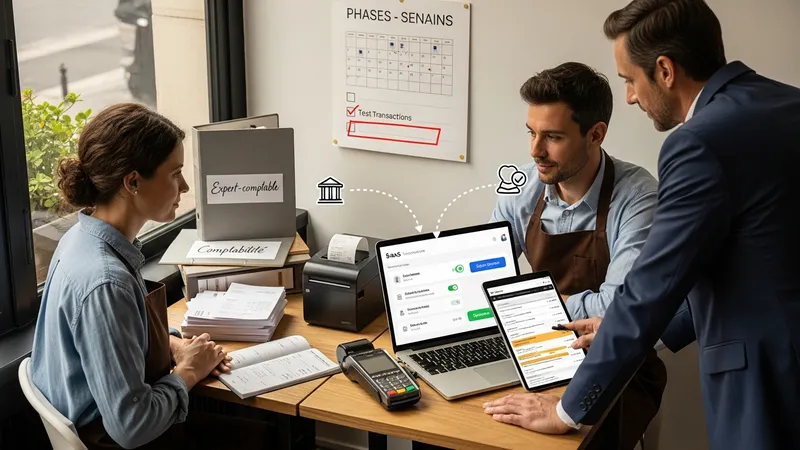
Implementation timelines often depend on data readiness and the complexity of existing workflows. For straightforward cases—such as connecting a payment gateway that also issues receipts—setup may take a few days. More complex scenarios that require synchronising inventory across channels and integrating with a French accounting system may take weeks and involve testing. During implementation, small businesses usually validate outputs against sample transactions and consult their accountant or IT adviser to ensure compliance with local reporting requirements.
Maintenance considerations include software updates, rule tuning, and occasional reconciliation tasks. Automated systems may reduce routine manual entry but introduce a need for periodic oversight to catch integration errors or changes in VAT rules. In France, regulatory changes or tax reporting updates may require adjustments to automation rules; maintaining documentation and vendor support access in French can reduce friction when changes occur. Establishing a simple review cadence—weekly or monthly reconciliations—is a common practice to keep automated workflows reliable.
Budgeting for training and support is also relevant: staff need to understand how automation alters their responsibilities and when manual intervention remains necessary. Small French teams often allocate time for short internal training sessions and keep a named contact for vendor support in France. These practices help ensure that automation yields sustained efficiency improvements rather than transient gains followed by operational gaps.