
Smart Beds For Elderly: Features That Support Comfort And Mobility

Technology Integration and Monitoring in Elderly Smart Bed Solutions
Smart beds designed for elderly users increasingly incorporate monitoring technologies aimed at supporting daily care routines. Motion sensors built into bed frames or mattresses can detect changes in position or presence, sharing information with caregivers or family members, particularly in multi-occupant or institutional environments. For example, alerts generated if a person leaves the bed may help support fall awareness strategies or prompt periodic wellbeing checks, depending on the system’s configuration.
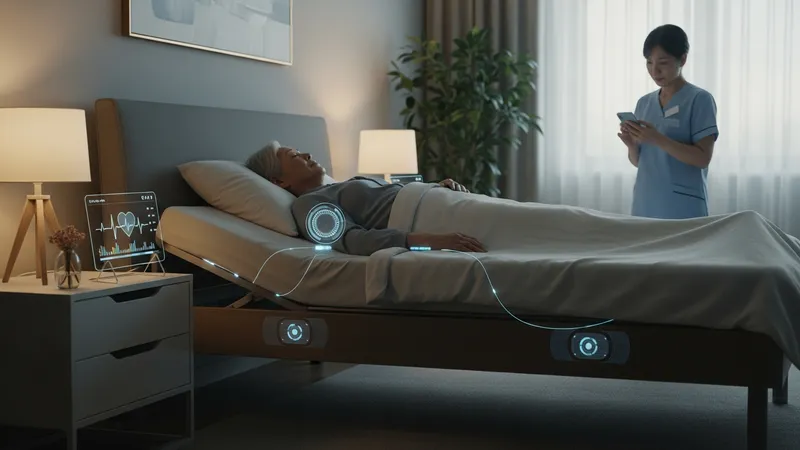
In addition to movement monitoring, some beds feature integrated biometric sensors that can track metrics such as heart rate, respiratory patterns, or simple sleep-related data. This information is typically relayed via digital displays or through secure mobile applications. While these systems are designed primarily for observational purposes, they may offer insights into user routines or sleeping patterns, which can facilitate context-specific care decisions if reviewed by qualified professionals.
Modern smart beds with communication technology often offer connectivity with other home automation platforms. This may allow users to adjust settings through apps or voice commands and can create a more user-friendly experience for those with dexterity or vision challenges. Integration with lighting systems, emergency call buttons, or even daily schedule reminders can be part of broader smart-home ecosystems, but their setup usually requires familiarity with digital interfaces.
It is important to recognize the privacy and data protection responsibilities associated with sensor-equipped smart beds. Users and caregivers should be aware of the data handling policies of each system. Many manufacturers provide detailed privacy statements and guidelines regarding the storage, transmission, or sharing of personal information collected by bed or mattress sensors.