
Smart Beds For Elderly: Features That Support Comfort And Mobility

Pressure Relief and Surface Materials in Elderly-Focused Smart Beds
The surface composition of a smart bed is central to its ability to support comfort and mobility for elderly users. Pressure relief mattresses, such as those featuring memory foam or alternating air cells, are frequently used. These materials are favored because they can adapt to the body’s contours, helping to distribute body weight across a larger area. Mattresses with customizable firmness levels may support periodic adjustments in response to changes in comfort or overnight shifts in position.
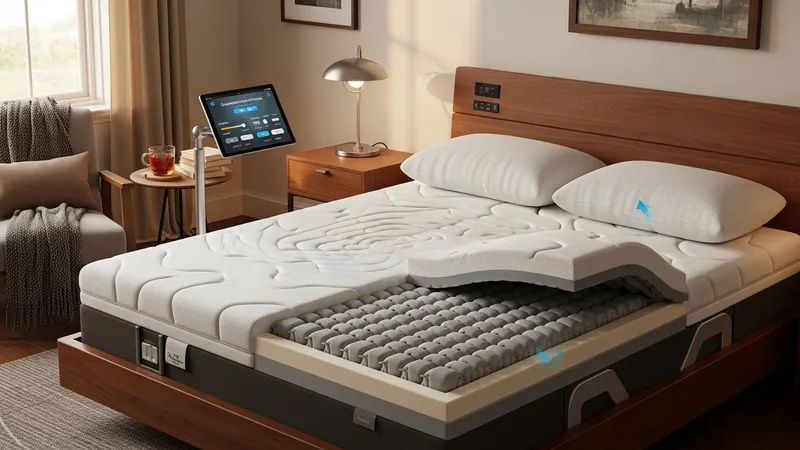
Alternating pressure mattresses operate by systematically inflating and deflating air cells, which can encourage periodic repositioning and minimize sustained pressure on any one area of the body. While these technologies are primarily used in clinical care, they are now becoming available in home versions. Many models support manual adjustments as well as basic automatic cycling, and they generally aim to provide additional comfort and flexibility without the need for constant user input.
Hybrid mattresses often combine foam layers and air-based systems, offering a blend of support and adaptability. These models are designed for ease of movement and may facilitate turning between different sleep positions. The selection of surface material—be it memory foam, latex, or synthetic gels—can be influenced by the user’s preference regarding firmness, response, and temperature control. When choosing a mattress, it is helpful to consider removable covers for ease of cleaning and possible hypoallergenic properties, especially for sensitive skin.
It should be noted that while pressure relief surfaces can support general comfort and movement in bed, their performance depends on consistent use and proper adjustment. For users spending extended periods in bed, caregiver guidance regarding regular repositioning and monitoring of mattress conditions is often practical to maintain both comfort and safety over time.