
Small Cars: Safety Standards And Compliance Explained

Crash Ratings: Independent Testing for Small Car Safety
Australasian New Car Assessment Program (ANCAP) crash ratings serve as an independent resource for assessing small car safety in Australia. ANCAP evaluates vehicles through controlled laboratory and real-world tests, assigning star ratings based on performance in simulated frontal, side, and pole impacts. Additionally, pedestrian protection and safety assist technologies are factored into the assessment. These ratings are published to inform the public and provide regulators with supplemental data on evolving vehicle safety performance.
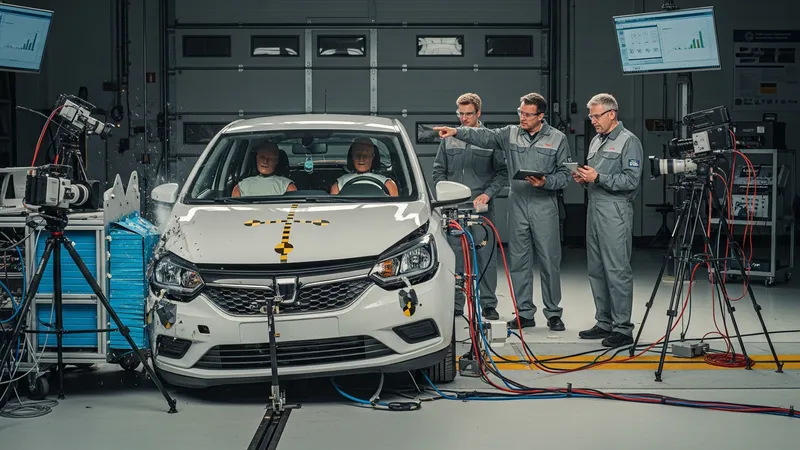
Small cars typically undergo the same suite of physical tests as large vehicles, but their compact dimensions can sometimes present greater challenges for energy absorption during collisions. Manufacturers may address these challenges by reinforcing critical structural areas or adding energy-dispersing materials. ANCAP frequently updates its protocols, with assessments reflecting the current state of technology, market offerings, and real-world injury data. Detailed test results are available on ANCAP’s official website, making them accessible for buyers and policymakers.
An ANCAP score is not a substitute for legal compliance but may carry significant influence in insurance assessments and resale valuations. Some Australian states also use ANCAP results as a reference in fleet purchasing guidelines or public safety information campaigns. ANCAP works closely with international partners to ensure that ratings are harmonized and reflect the latest evidence-based practices in vehicular safety evaluation.
The role of ANCAP in the Australian market illustrates the collaborative approach between government, industry, and consumer organizations. While ADRs dictate legal minimums, ANCAP’s independent ratings provide supplementary guidance, encouraging manufacturers to adopt advanced safety features beyond baseline regulations. This dual system fosters ongoing improvements in occupant protection across all segments, including small cars.