
Small Cars: Safety Standards And Compliance Explained

Mandatory Safety Features for Small Cars: Standards and Compliance
Australian regulations require small cars to be equipped with specific safety technologies as defined by applicable ADRs. Typical mandatory features include dual front airbags, electronic stability control, anti-lock braking systems (ABS), and three-point seatbelts for every seating position. These requirements aim to ensure that cars possess baseline protections for occupants in the event of a collision or loss of control. The process for compliance involves pre-sale assessments, compliance plate checks, and periodic reviews by authorized authorities to ensure continued adherence as manufacturing practices evolve.
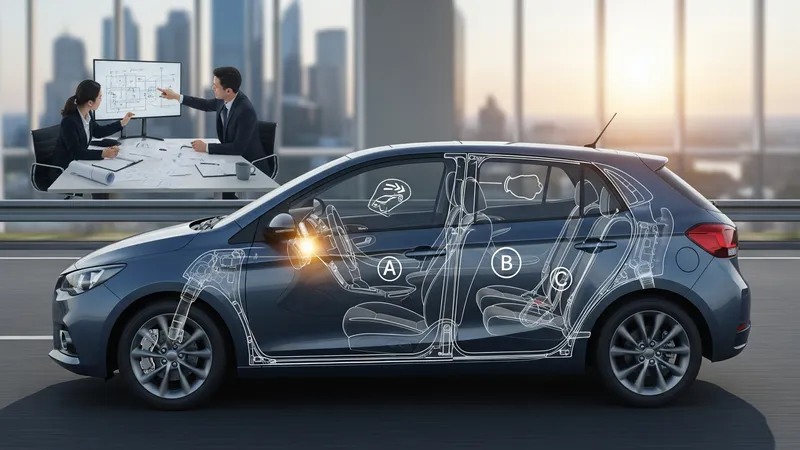
Side impact protection is another regulated area, with structural reinforcements incorporated into the vehicle frame. Doors, side pillars, and roof structures must meet minimum performance criteria to reduce the likelihood and severity of injury during a side collision. The relevant ADRs specify exact impact tests and thresholds, which manufacturers must fulfil before vehicles can be homologated for sale. Updated versions of these rules may introduce new requirements as industry knowledge advances.
Additional safety measures commonly found in compliant small cars include seatbelt reminder systems and child restraint anchorage points. These features are especially crucial for families and contribute to broader road safety objectives. The inclusion of such technologies is closely monitored through collaborative industry-government procedures, with random audits ensuring that post-market vehicles remain within compliance parameters.
Lane departure warning and autonomous emergency braking may be offered on newer models as standard or optional features. While not universally mandated at the ADR level as of June 2024, their presence may influence ANCAP safety ratings and regulatory outlooks. Australian authorities frequently consult with international regulatory bodies to determine suitable timelines for integrating advanced driver assistance systems into formal standards for small cars.