
Seasonal Pest Control: Understanding Pest Activity Patterns Throughout The Year

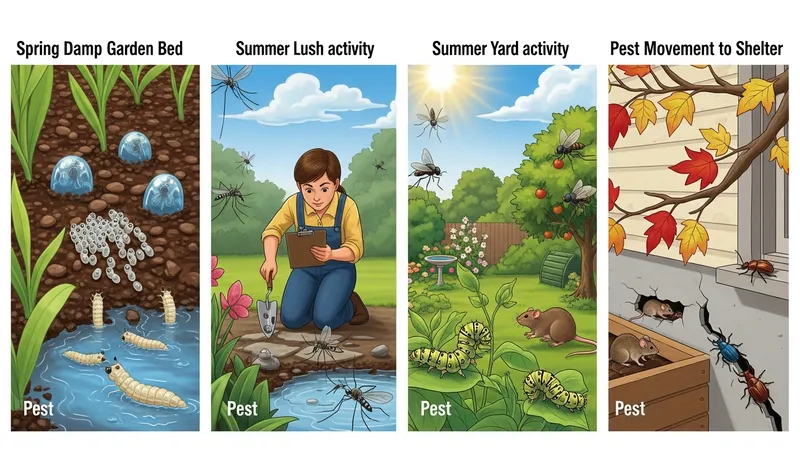
Many pests display seasonal rhythms driven by temperature, moisture, food availability, and breeding cycles. Over the year, populations of insects, rodents, and other nuisance species often increase or decrease in response to changing weather and habitat conditions. Understanding these rhythms involves observing when pests are most active outdoors, when they move toward sheltered sites such as buildings, and how lifecycle stages (egg, larva/nymph, adult) align with seasonal conditions that support reproduction or survival.
Seasonal awareness may inform the timing of inspections, targeted control measures, and maintenance activities without implying a single universal approach. Different structures, landscapes, and climatic zones can shift typical timing by weeks or months; for example, a temperate region may see one pattern while a subtropical region shows another. Practitioners and homeowners can use seasonal patterns to prioritize which pests to monitor and which structural or environmental factors to address at particular times of year.
- Monitoring and inspection schedules — Regular checks timed to seasonal peaks, with notes on signs such as droppings, nests, or shed skins.
- Habitat modification and exclusion methods — Non-chemical measures like sealing entry points, managing moisture, and removing food sources to reduce pest attraction.
- Targeted seasonal interventions — Time-limited measures matched to vulnerable lifecycle stages, such as treatments when active stages are present or when breeding occurs.
Temperature and moisture act as primary drivers of seasonal pest activity and may influence reproduction and movement. For many insects, warmer spring and summer conditions can accelerate development and increase foraging, while cooler temperatures slow metabolism and reduce surface activity. Conversely, some pests seek entry into structures during cooler months to access heat and sheltered food sources. These general patterns may often help explain why certain signs appear more frequently at particular times of year, though local microclimates can create exceptions.
Lifecycle timing often determines the most effective window for interventions that aim to reduce future populations rather than solely addressing current sightings. For example, measures that focus on interrupting breeding or reducing available nesting habitat may be most relevant when immature stages are present or when adults are actively seeking nesting sites. Such timing considerations typically vary by species; therefore, identification of the pest and knowledge of its biology can help align actions with seasonal windows.
Human activity and property maintenance routines also shape seasonal pest dynamics. Gardening, irrigation, composting, and outdoor storage can create temporary resources for pests, especially during warmer months when decomposition and plant growth increase food availability. Conversely, building maintenance such as repairing leaks, reducing clutter, and adjusting landscaping buffers may change habitat suitability. These factors often interact with seasonal weather patterns to produce localized increases or decreases in pest pressure.
Monitoring approaches commonly combine scheduled inspections with event-driven checks after weather changes or property alterations. Scheduled inspections may be more frequent during known peak periods for a given pest, while event-driven checks often follow heavy rains, unseasonal warmth, or changes in property use. Documentation of findings over several seasons can reveal recurring trends and help refine the timing and focus of inspections, typically improving the relevance of subsequent preventive steps.
Understanding seasonal patterns provides a contextual framework rather than a one-size-fits-all solution. Observing environmental cues, identifying species and lifecycle stages, and recording historical patterns on a property can often lead to more informed decisions about timing and emphasis. The next sections examine practical components and considerations in more detail.