
Roof Renovation Contractors: Key Steps In Planning And Managing A Roof Upgrade

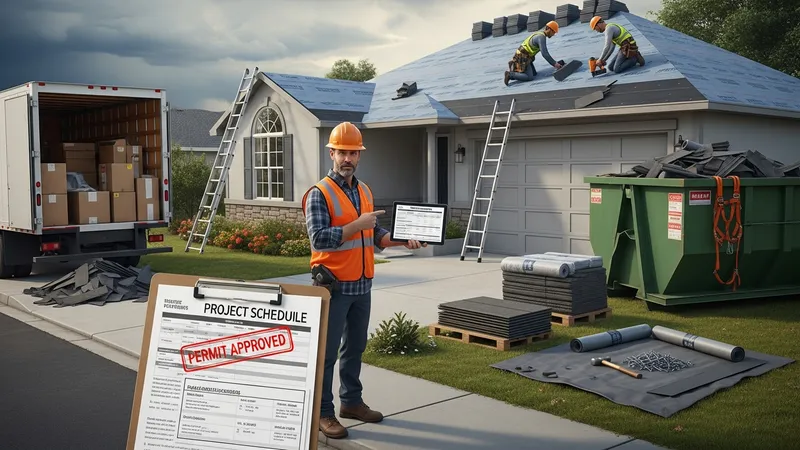
Budgeting, Scheduling, and Project Coordination for Roof Renovation Contractors
Budgeting and scheduling are intertwined tasks that commonly reflect regional labor rates, material availability, and permitting lead times. In the United States, labor and material costs can vary significantly by state and metropolitan area; contractors may therefore provide ranges rather than fixed prices. For example, an asphalt shingle replacement on a mid-sized single-family home may often be estimated in the low thousands to mid-teens of thousands of dollars depending on factors such as roof complexity, tear-off needs, and local disposal costs. Estimates typically include allowances for potential deck repairs discovered during the process.
Scheduling considerations include weather windows, crew availability, and inspection appointments. Contractors often plan around seasonal patterns in their region—such as avoiding major tear-offs during winter months in colder states or timing work outside of peak storm seasons in coastal areas. Delivery lead times for specialty materials or custom metal flashings may also influence the start date. Building schedules that account for such variables can help set realistic timelines rather than promising specific completion dates.
Coordination with subcontractors and trades is a frequent planning element for complex roof projects. Work such as chimney repairs, skylight replacement, or solar panel removal and reinstallation may require sequencing with masonry contractors, window specialists, or renewable energy installers. Contractors commonly document scopes for each trade and include coordination notes in the project schedule. Clear sequencing can reduce on-site conflicts and may help manage costs associated with rework or inefficient scheduling.
Contingency planning is an informational consideration rather than a directive. Many contractors include contingency allowances for unforeseen conditions like extensive rot, mold remediation, or structural repairs revealed after tear-off. These contingencies are often expressed as percentage allowances or specific line items in a project estimate and may be adjusted when hidden conditions are confirmed. Including such contingencies in a plan helps align expectations about potential changes to scope, schedule, and cost without implying certainty about outcomes.