
Roof Renovation Contractors: Key Steps In Planning And Managing A Roof Upgrade

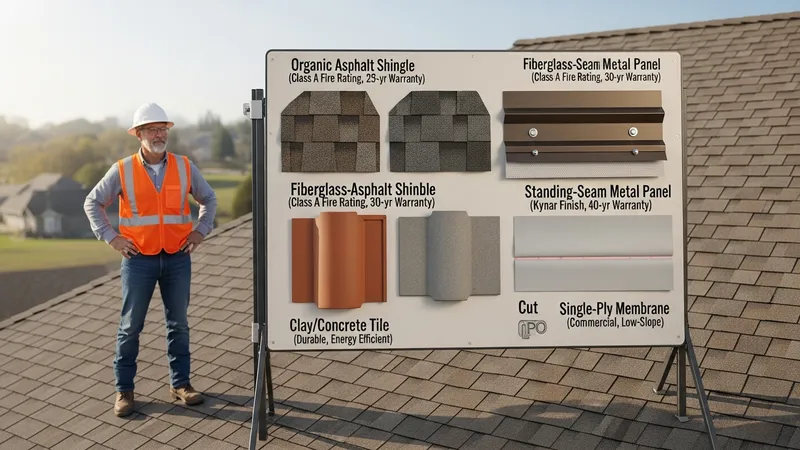
Material Selection and Durability Considerations for Roof Renovation Contractors
Material selection is a technical step that commonly follows assessment findings and permit considerations. Contractors typically present materials by category—organic or fiberglass-asphalt shingles, metal panels, clay or concrete tiles, or single-ply membranes for low-slope roofs—and outline expected performance characteristics. In the United States, material choices may be influenced by regional climate: coastal areas may require corrosion-resistant fasteners for metal roofs, while northern climates may emphasize ice and water barrier detailing. Reference information may be available from manufacturer data sheets and trade organizations such as the National Roofing Contractors Association at NRCA.
Durability expectations are presented as typical service intervals rather than guarantees. Asphalt shingles often have service expectations that may range from about 20 to 30 years under typical conditions, while metal roofing materials may have longer manufacturer design lives in many cases. Installation details—such as underlayment type, ventilation provision, and flashing methods—can influence real-world performance. Contractors may highlight how specific accessory choices, such as ridge ventilation systems or ice and water barriers, can interact with the selected roofing material without prescribing a single optimal assembly.
Thermal and energy considerations sometimes affect material discussions. Lighter-colored or reflective metal roofs can reduce heat absorption in warm climates, and some single-ply membranes are designed with reflective surfaces that may contribute to lower attic temperatures. U.S. federal resources on energy-related roofing considerations are available from the Department of Energy at energy.gov. Contractors and homeowners may weigh such energy aspects alongside maintenance, weight, and local code compatibility when selecting products.
Compatibility with existing roof structure and attachment methods is a practical concern. Some materials are heavier and may require verification of roof framing capacity or additional structural reinforcement, which can change project complexity. Contractors often document substrate conditions and may recommend further evaluation by a structural professional when substantial changes are proposed. These considerations tend to influence both material selection and overall project planning rather than serving as prescriptive guidance.