
Retail Operations: Key Aspects Of Effective Store Management

Technology Integration for Retail Operations
The adoption of technology is a defining aspect of contemporary retail management. POS systems, inventory platforms, and workforce scheduling applications frequently form the backbone of operational efficiency. These systems are often selected based on factors such as ease of integration, cost structure, ongoing support, and alignment with store workflow requirements.
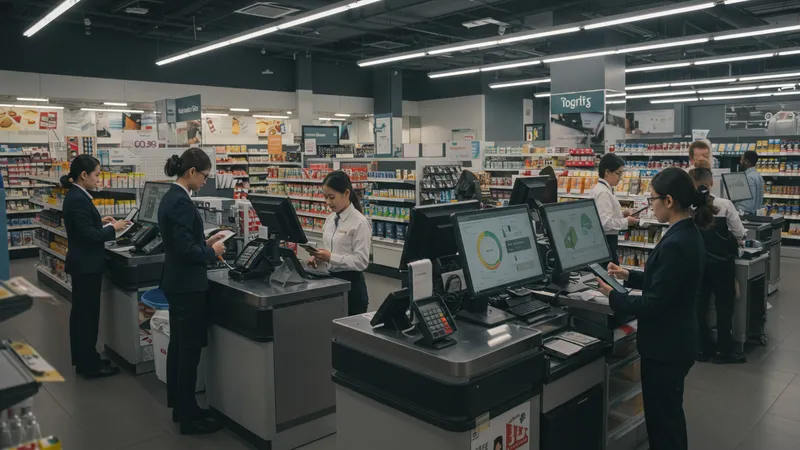
Real-time analytics provided by integrated technology platforms can allow managers to monitor performance indicators such as sales per square foot, conversion rates, or employee productivity. Many systems offer dashboards that aggregate data from multiple sources, providing a unified view for decision-makers. Customizable reporting may support forecasting and resource allocation without manual data compilation.
Data security remains a significant concern when implementing retail technology. Most providers employ encryption, regular updates, and access controls to help protect sensitive business and customer data. Stores may routinely review their technology usage policies and train staff on secure system usage as an added precaution.
Ongoing system upgrades and maintenance are important in sustaining technology performance and compatibility. Retailers may establish review schedules to evaluate whether existing platforms still meet operational needs. By remaining adaptive to new software capabilities, store management can better anticipate shifts in demand and competitive pressures while maintaining service standards.