
Retail Operations: Key Aspects Of Effective Store Management

Store Layout and Customer Experience Factors
The physical arrangement of a retail store can affect both sales performance and customer satisfaction. Store layouts are typically designed to guide customers through high-traffic zones and facilitate product discovery. Various layout models, such as grid, free-flow, or racetrack, can be selected based on product type and target shopper behaviors.
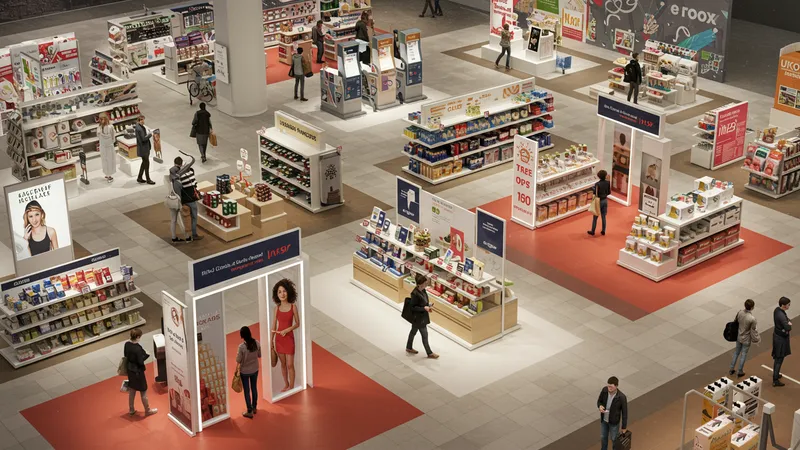
Effective layout planning often incorporates customer behavior data, such as dwell times in certain areas and commonly selected pathways. By analyzing these patterns, retailers can position promotional displays or high-margin products in strategic locations. This method aims to enhance exposure without appearing manipulative or intrusive.
Accessibility is another aspect of store design considered in modern retail operations. Aisle width, signage visibility, and intuitive navigation may contribute to a positive customer experience. Adjusting layouts periodically to reflect changing merchandise assortments or seasonal promotions is a practice seen in many brick-and-mortar stores.
Digital integrations, such as electronic shelf labels or interactive kiosks, are growing in use. These technologies may help address questions, locate products, and provide additional product details without requiring staff intervention. Such enhancements have the potential to improve customer engagement while reducing wait times.