
Renewable Energy: Role And Impact In Modern Power Generation

Environmental and Social Considerations in Renewable Energy-Based Power Generation
The environmental impact of shifting to renewable energy-based power generation is typically characterized by reductions in carbon dioxide and other pollutants compared to fossil fuel combustion. Life cycle assessments for solar, wind, and hydropower generally indicate lower emissions footprints, primarily concentrated in the manufacturing, installation, and decommissioning phases of these technologies.
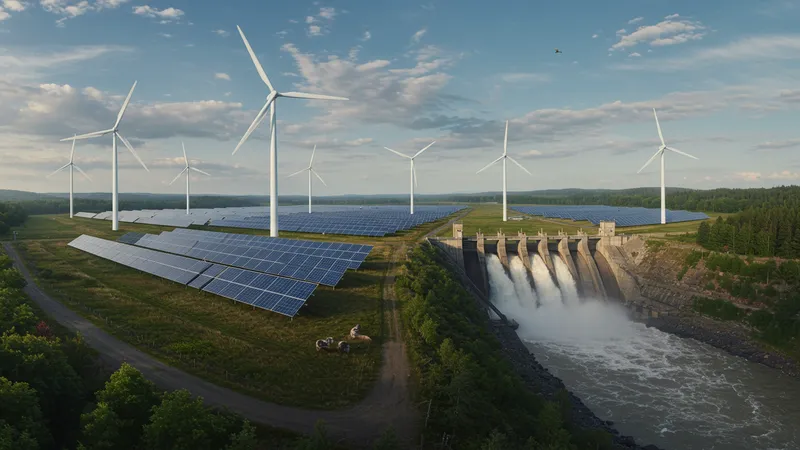
Land use and ecological effects can arise, especially with large-scale installations. Solar farms and wind projects require substantial land areas, which may alter local ecosystems or compete with other land uses. Environmental impact assessments and stakeholder engagement are increasingly incorporated into planning processes to address potential concerns and promote responsible siting practices.
Hydropower projects, while emissions-efficient during operation, may result in environmental changes such as altered river flow, fish migration barriers, and impacts on water quality. Mitigation techniques—including fish ladders, habitat restoration, and adaptive management—are often implemented to minimize negative consequences and comply with regulatory requirements.
Social factors, such as community acceptance, employment generation, and access to electricity, are frequently considered alongside environmental analyses. Renewable energy deployments may support rural electrification, offer diverse economic benefits, and encourage local participation in project development. These factors tend to influence long-term sustainability and the broader societal role of renewables in modern power generation.