
Renewable Energy: Role And Impact In Modern Power Generation

Integration of Renewable Energy in Grid Management and Infrastructure
As renewable sources such as solar and wind become more prominent in power generation, grid operators encounter new challenges related to intermittent output and localized resource distribution. Integration typically requires upgrades in transmission and distribution networks, enhanced forecasting techniques, and improved grid flexibility through demand-side management and energy storage.
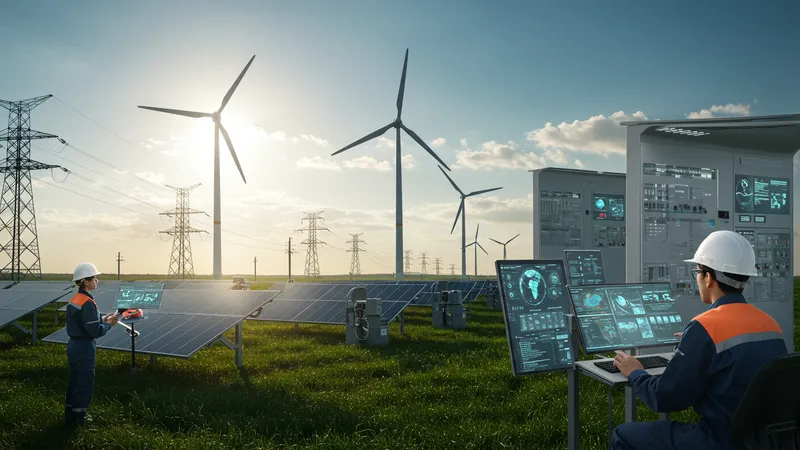
Battery storage systems, pumped hydro storage, and advanced controllers are increasingly used to help balance supply and demand. These technologies can absorb excess renewable power during periods of high generation and release it when production drops or energy demand rises. Grid automation and digitalization may support these processes by facilitating rapid responses to grid fluctuations and optimizing asset utilization in real time.
Demand response programs are another common approach to supporting renewable integration. By incentivizing end-users to adjust consumption patterns in response to grid conditions or price signals, these programs can reduce strain during peak periods and make more effective use of renewable generation. Such strategies may require regulatory support and sophisticated market mechanisms to function efficiently.
In regions with significant renewable power, ancillary services such as frequency regulation and voltage control become increasingly important. Grid codes and standards are often updated to accommodate a changing mix of power sources, helping to maintain reliability and security of supply even as renewable penetration rises. Collaboration among utilities, regulators, and technology providers remains crucial in this evolving context.