
Private Lending And Alternative Financing: An Introduction To Non-Bank Funding Options

Regulatory and compliance considerations in the United States
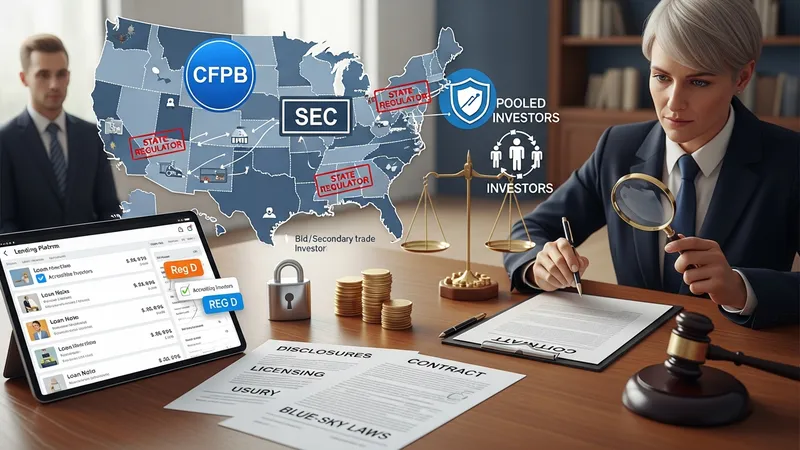
Non-bank lenders and platforms in the U.S. operate within a patchwork of federal and state regulation. Federal oversight by agencies such as the Consumer Financial Protection Bureau can apply to certain nonbank entities that engage in consumer credit activities, requiring compliance with federal disclosure and fair-lending statutes. State regulators commonly enforce licensing, usury, and consumer-protection standards that vary by jurisdiction. Entities facilitating investments in loan interests may need to address securities law implications overseen by the U.S. Securities and Exchange Commission.
Securities considerations can arise when private lending programs involve pooled investor capital or transferable loan interests. Offerings that involve investor subscriptions or secondary trading may trigger registration or exemption analyses under SEC rules, including reliance on Regulation D exemptions for accredited investors in some private offerings. Platforms that permit retail investor participation may adopt disclosures and controls to address investor suitability and continue to monitor applicable state blue-sky laws. Consultation with securities counsel is often part of program setup for investor-facing platforms.
Consumer protection and fair-lending compliance are relevant where consumer credit products are offered. Truth in Lending Act disclosures, Privacy and Data Security requirements, and prohibitions against unfair or deceptive practices generally apply to entities engaged in consumer lending activities, though specifics can depend on operational models and charter status. CDFIs and mission-driven lenders also encounter program-specific reporting and certification requirements tied to Treasury or grant funding administered through the CDFI Fund.
Operational compliance includes documentation standards and servicing responsibilities. Non-bank servicers often implement systems for accurate loan servicing, error resolution, and escrow management where applicable. State licensing can impose recordkeeping and bonding requirements. Lenders and platforms commonly develop compliance programs to monitor regulatory changes, ensure transparent disclosures, and mitigate reputational or enforcement risk. These considerations may influence the choice of counsel, compliance staffing, and technology investments for non-bank finance operations.