
Orthopedic Surgery: Overview Of Common Procedures And Care Pathways

Postoperative Care Pathways and Rehabilitation in Orthopedic Surgery
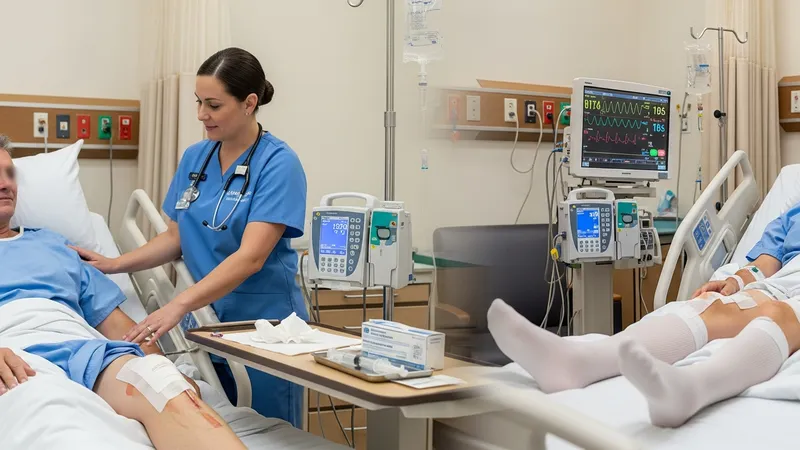
Immediate postoperative care typically focuses on monitoring vital signs, assessing wound status, and initiating early mobilization when appropriate. Pain management strategies often use multimodal approaches to reduce reliance on any single medication class, and protocols for thromboprophylaxis or antibiotic continuation are usually aligned with procedural risk profiles. Early physical therapy interventions may begin in the acute setting to promote safe transfers and joint range of motion, with progression tailored to the procedure and the stability of surgical constructs.
Rehabilitation is generally organised into phases that move from protected activity and swelling control to progressive strengthening and functional retraining. Phase durations often vary: an uncomplicated arthroscopic repair may progress more quickly to resisted activity than a major reconstructive procedure, which can require prolonged supervised therapy. Rehabilitation plans typically consider patient-specific factors such as baseline mobility, comorbidities, and social supports, and are adjusted based on clinical milestones and healing assessments rather than fixed timelines.
Follow-up and monitoring are routine elements of postoperative pathways and may include scheduled clinic visits, repeat imaging, and functional assessments. Follow-up intervals are often determined by the procedure type and the expected healing course; for example, fracture fixation may require earlier imaging to confirm alignment, while arthroplasty follow-up often emphasises functional outcomes over longer intervals. Monitoring for complications such as wound problems, implant-related issues, or delayed healing typically follows established clinical signs rather than predictive guarantees.
Coordination with allied health professionals is a key consideration for longer-term recovery and return to activity. Occupational therapy, community rehabilitation services, and primary care clinicians can all contribute to continuity of care after discharge. Pathways that include clear communication about weight-bearing status, activity modifications, and criteria for escalation of care are commonly used to support safe recovery. These coordinated approaches aim to integrate clinical judgment with structured rehabilitation without implying specific outcomes for any individual patient.