
Neurosurgery: Understanding Common Brain And Spine Procedures

Surgical approaches used in brain and spine procedures
Different surgical approaches are applied depending on anatomic location and pathology. For intracranial lesions, open craniotomy remains a common route that may be tailored by skull flap placement and cortical mapping. Minimally invasive skull-base approaches and endoscopic corridors can be used for selected midline or ventral lesions to limit brain retraction. For the spine, posterior decompression, anterior column access, lateral approaches, and combined strategies provide options for addressing neural compression or instability. Approach selection often considers tissue exposure needs, the vascular relationship of lesions, and anticipated postoperative function.
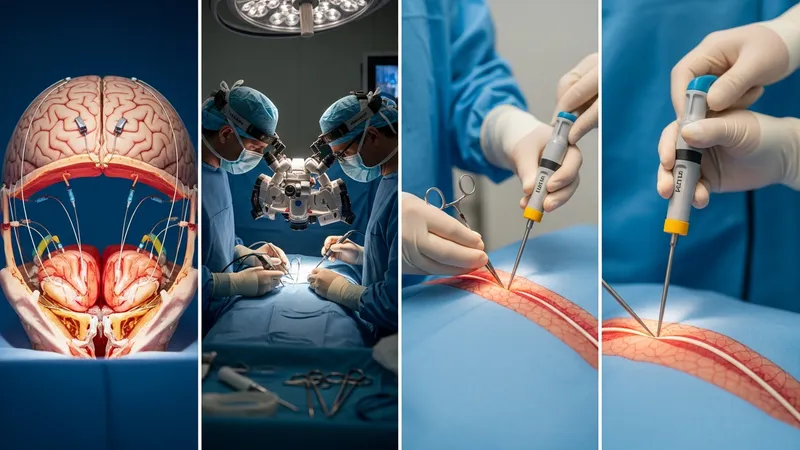
Minimally invasive techniques have grown as an option in many centers and may affect hospitalization length and recovery milestones in some patients, although applicability varies by lesion type and surgeon experience. For example, tubular retractor systems can permit targeted lumbar decompression with smaller soft-tissue exposure, whereas open posterior approaches may be preferred for multilevel instability requiring complex instrumentation. Endovascular approaches are an alternative for vascular pathology when intraluminal access is anatomically feasible and imaging suggests an acceptable route.
Surgeons typically review imaging with multidisciplinary colleagues to assess approach feasibility and to anticipate intraoperative challenges, such as vascular encasement or proximity to eloquent cortex or nerve roots. Surgical planning may also incorporate functional mapping to preserve language, motor, or sensory pathways when operating near critical regions. Considerations about the patient’s overall health, prior surgeries, and goals of care inform whether a more conservative or more aggressive route is selected.
When comparing approaches, teams may weigh short-term recovery considerations against long-term structural aims, such as stability after spinal fusion or extent of resection for intracranial lesions. Each choice involves trade-offs in visualization, tissue handling, and potential need for staged procedures. Readers should note that procedure selection is individualized and that published comparative data often describe averages or trends rather than deterministic outcomes for any single patient.