
Modular Home Financing: Steps To Prepare Your Budget And Application

Preparing the Application Package and Common Timelines for Factory-Built Housing Finance
Assembling a complete application package typically begins with personal identification, income verification, and current asset statements. Project-specific items commonly included are the manufacturer purchase agreement, a detailed site work contract, and a schedule that outlines delivery and installation milestones. Lender checklists may also request evidence of permits in process, letters of intent from contractors, and documentation of contingency reserves. Organizing these materials in a clear order and providing concise cover summaries can help underwriters navigate the file more efficiently and may reduce requests for clarification.
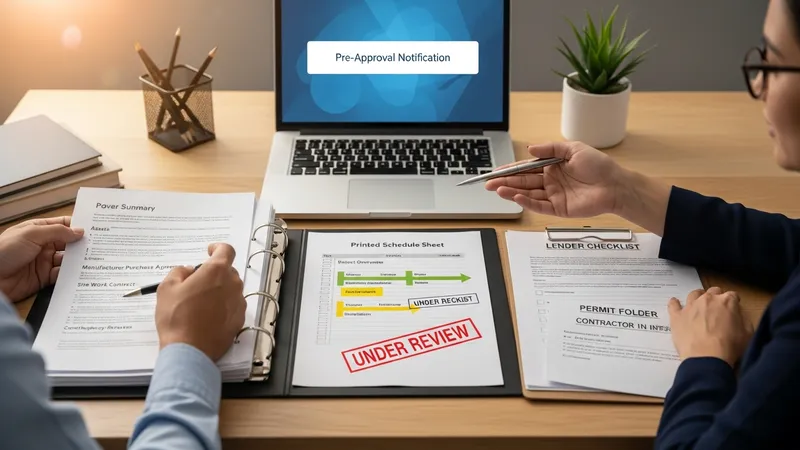
Prequalification or preapproval steps may occur early and offer an initial view of possible loan parameters based on submitted documentation. These preliminary assessments typically do not guarantee final terms but may indicate which loan product pathways are feasible. After contract execution, lenders often move into formal underwriting that verifies documents, orders appraisals or site inspections if required, and confirms title or lien status on the land. Turnaround times can vary widely; applicants should expect multiple weeks for underwriting in many cases, depending on the complexity and local administrative cycles.
Coordination between the lender, manufacturer, and local contractors is an operational consideration that frequently shapes the timeline. Delivery scheduling, required site readiness, and municipal inspection appointments can create dependencies that affect when funds must be available. When lenders disburse funds over a construction schedule, inspections or signed completion certificates may be required before each tranche. Clear communication protocols and an agreed schedule among the parties often help align funding releases with on-site work to minimize idle time and administrative hold-ups.
Final closing and occupancy steps commonly include verification that required inspections are complete, that any final municipal certificates are issued, and that title conditions are clear of unexpected liens. Lenders may require evidence of insurance coverage effective at closing and documentation confirming that permanent utilities are connected where needed. After closing, borrowers typically receive documentation that outlines repayment terms and any servicing contacts. Maintaining organized records of the entire project file supports future reference and may simplify routine loan servicing interactions.