
Modular Home Financing: Steps To Prepare Your Budget And Application

Income Documentation and Credit Considerations for Funding a Factory-Built Residence
Income verification often begins with recent pay stubs, employer contact information, and signed tax returns covering one to two years where self-employment is involved. Lenders typically look for consistency in income streams and may request explanations for gaps or fluctuating earnings. Alternative documented income such as long-term rental receipts or retirement distributions is sometimes acceptable when properly substantiated. Credit evaluations commonly include score checks and tradeline reviews; recent derogatory marks can affect available loan structures. Organizing chronological, clearly labeled documents helps lenders follow income histories and can reduce back-and-forth during underwriting.
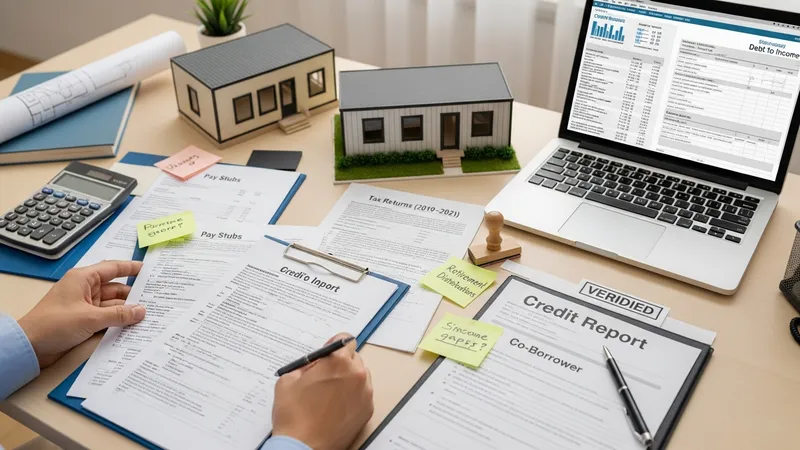
Debt-to-income (DTI) ratios are commonly used as a proxy for repayment capacity, with lenders calculating monthly debt obligations divided by gross monthly income. Exact thresholds may differ by loan type and lender, and presence of compensating factors—such as larger reserves—may be noted as context rather than a definitive remedy. Applicants sometimes include letters explaining non-recurring debts or one-time expenses to clarify ongoing capacity. Co-borrowers and co-signers change the profile lenders evaluate and may alter acceptable DTI calculations depending on each party’s documented income and liabilities.
Credit scores can influence not only approval likelihood but also the types of loan products a lender is willing to offer. Scores may affect underwriting overlays, required down payment percentages, and interest-rate differentials where applicable. Borrowers with limited credit histories sometimes use documented alternative credit sources, such as utility payment histories or rent payment records, that some lenders accept. It is informative to inquire with multiple lender types—bank, credit union, or specialist financiers—because each may apply different weight to credit and alternative documentation.
Verification processes may include automated income verification tools, manual review of originals or certified copies, and third-party employment verification. Turnaround times for these steps can vary; automated systems may return results in days while manual verifications can take weeks. Preparing clear, complete records in standardized formats—such as PDF bank statements and tax transcripts—tends to reduce clarifying requests. Applicants often find it useful to maintain a concise cover sheet that lists enclosed documents and identifies contact points for each item to assist the lender’s reviewer.