
Modern Workspace Design: Key Elements For Productive Environments

Lighting Strategies in Modern Workspace Design
Lighting design plays a fundamental role in shaping modern workplace environments in Hong Kong. Offices may utilize a mix of natural and energy-efficient artificial lighting to create conditions that support alertness and reduce visual fatigue. Adoption of LED fixtures and daylight simulation technology is increasingly common in commercial interiors seeking to balance energy use with workplace comfort.
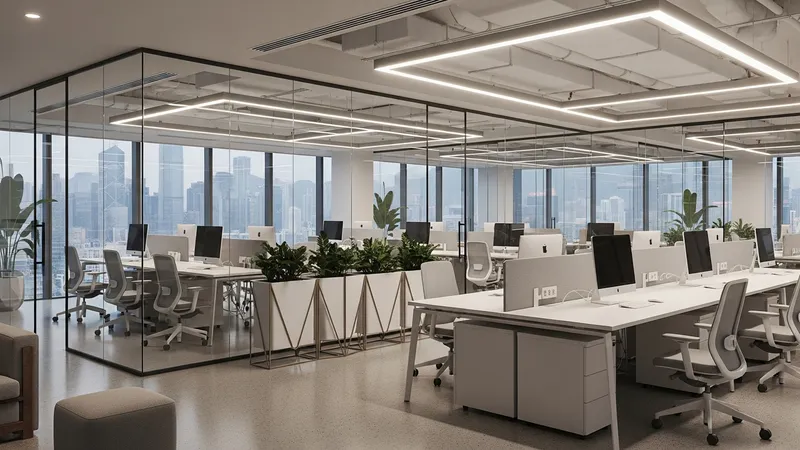
Access to daylight can be limited in many Hong Kong office buildings due to their layout or external shading. As a result, design strategies often incorporate indirect lighting, light shelves, or glass partitioning to distribute daylight effectively across interior spaces. The use of tunable LED systems that adjust color temperature throughout the day may further contribute to promoting a sense of well-being among employees.
Lighting choices may affect productivity in measurable ways. Studies in Hong Kong and similar urban environments suggest that lighting systems configured to align with workers’ circadian rhythms could result in higher reported comfort levels. These systems also tend to support reduced energy expenditure when combined with occupancy sensors or daylight harvesting controls, which are considerations frequently evaluated in local energy audits.
From a cost perspective, the initial investment in energy-efficient lighting systems is balanced against long-term savings in electricity consumption and maintenance. In Hong Kong, rebates or consultation on energy-saving projects may be available through programs such as the CLP Energy Saving Scheme, offering further data-driven guidance for organizational decision-making.