
Modern Workspace Design: Key Elements For Productive Environments

Ergonomics and Physical Comfort in Modern Workspace Design
Ergonomics is a critical element in modern workspace design, particularly in the context of Hong Kong’s urban offices where employees may spend significant amounts of time at their desks. Ergonomic task chairs and adjustable desks are integrated to help reduce physiological discomfort, especially for those who have sedentary job roles. The design and selection of these items generally account for the need for lumbar support, seat adjustability, and ease of movement in limited spaces.
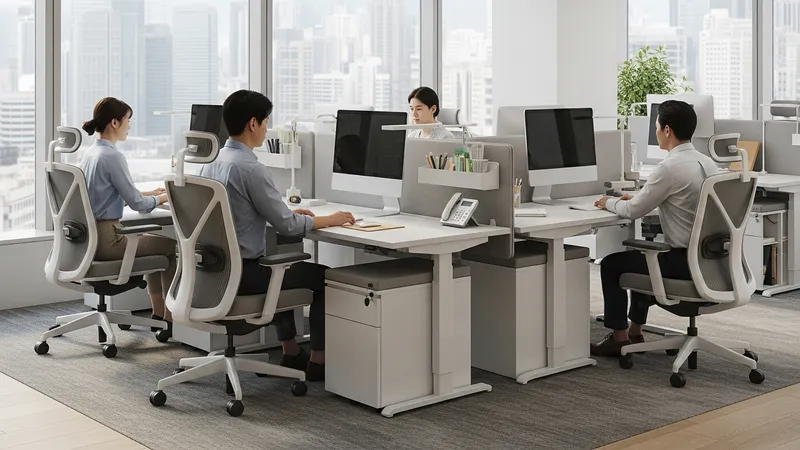
The prevalence of ergonomic seating, such as iconic models available in the Hong Kong market, reflects widespread awareness of occupational health considerations. Research conducted locally and internationally tends to show that adjustable chairs and height-variable desks can help alleviate musculoskeletal complaints. However, benefits may vary based on correct setup and personal usage habits, which highlights the importance of user education alongside equipment choice.
Cost considerations are particularly relevant in the Hong Kong environment, where office furniture may be sourced both locally and internationally. Prices for ergonomic chairs may range widely, influenced by brand, adjustment mechanisms, and imported material fees. Organizations typically balance investment in high-quality furniture with tenant budgets and anticipated maintenance needs over time.
Physical comfort is also tied to the spatial arrangement around workstations. In high-density areas such as Hong Kong Island, designers may carefully plan for walkway clearances, monitor height, and accessory placement to enhance workspace ergonomics. These aspects influence how easily workers can transition between tasks or collaborate without unnecessary strain or interruption, supporting sustained productivity.