
Mental Health Electronic Health Records: Understanding Core Features And Functions

Treatment planning and care coordination functions in mental health EHRs
Treatment planning modules in mental health EHRs often allow clinicians to document problems, set measurable goals, and select interventions with start and review dates. These plans can be linked to progress notes and outcomes to show whether interventions are achieving intended effects. In team-based care, shared plans may be visible to multiple providers with role-based access, supporting coordination among psychotherapists, prescribers, and social services. Care coordination features typically include referral tracking, task assignment, and documentation of inter-provider communications to maintain continuity across settings.
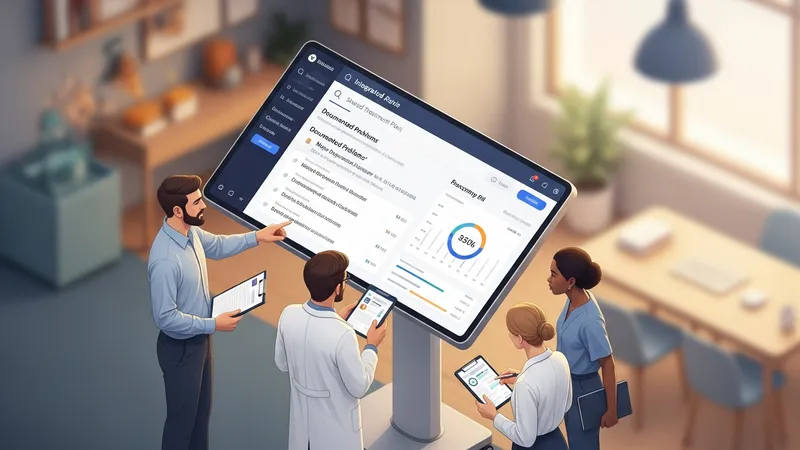
Outcome tracking tools can present session-level and longitudinal data alongside treatment plans to illustrate trends. Dashboards may display symptom scores, medication adherence indicators, and appointment attendance metrics that clinicians and program managers can use for review. Such views often support population-level quality efforts, for example by identifying subgroups with slower improvement. When using outcome tracking, teams commonly establish protocols for interpreting score changes and for documenting adjustments to treatment plans based on observed progress.
Interprofessional communication capabilities may be built into EHRs to facilitate case conferences and collaborative documentation. Secure in-system messaging, shared care notes, and aggregated care summaries can reduce reliance on separate communication channels. However, teams often define conventions for what information is shared in the central record versus private notes to balance transparency and confidentiality. Configurable alerts and task queues can help coordinate follow-up actions but should be tuned to avoid alert fatigue among clinicians.
Implementation considerations include aligning treatment planning templates with clinical models used by the service (e.g., cognitive-behavioral, recovery-oriented, or case-management frameworks). Configuring templates to reflect local practice enables clinicians to integrate documentation into care rather than treating it as an administrative burden. Pilot periods and feedback loops may help ensure that treatment planning and coordination workflows remain clinically relevant and support measurable care objectives over time.