
Medical Treatment: Key Components Of Comprehensive Care

Diagnostic and Assessment Standards in Comprehensive Care
Initiating comprehensive care begins with thorough diagnostic and assessment protocols. These often start with an evaluation by a primary care clinician or specialist, followed by the ordering of appropriate laboratory tests, diagnostic imaging, and, if necessary, further specialty referrals. The results inform subsequent treatment decisions and may be revisited throughout the course of care as conditions evolve or respond to intervention.
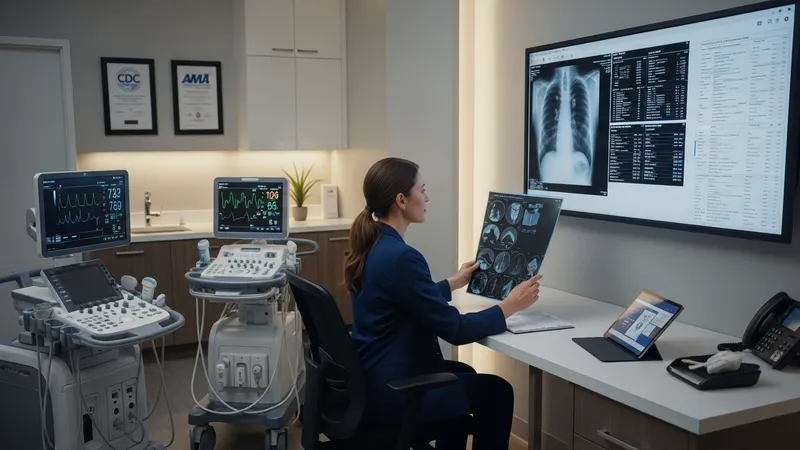
Diagnostic standards commonly align with evidence-based guidelines established by professional organizations, such as the Centers for Disease Control and Prevention (CDC) or the American Medical Association (AMA). This helps ensure consistency, accuracy, and safety in clinical assessments. Protocols may be updated periodically to reflect emerging scientific evidence or changes in consensus among experts.
Preoperative evaluations include assessments by anesthesiologists and nurses, with attention to individual medical history, previous surgical experiences, medication use, and any relevant social factors. These evaluations are typically required by surgical centers and follow standards such as the ASA Physical Status Classification System, which assists clinicians in identifying and managing potential risks.
For individuals with chronic diseases or complex needs, ongoing reassessment is an integral part of comprehensive care. This may involve scheduled laboratory and imaging studies, as well as periodic case reviews by multidisciplinary teams. Reassessment helps adapt treatment plans to changing circumstances and supports a dynamic approach to long-term medical management.