
Medical Treatment: Key Components Of Comprehensive Care

Coordination Methods in Comprehensive Medical and Surgical Care
Effective coordination is a foundational aspect of comprehensive medical and surgical care. Health systems may use formal processes for tracking appointments, lab results, and procedural schedules. EHR platforms often allow clinicians to share updates and flag concerns across departments, supporting continuity of care from the outpatient clinic to the hospital and back to the community setting. Centralized scheduling and care management teams may also be involved, ensuring that no aspect of a person’s care is overlooked.
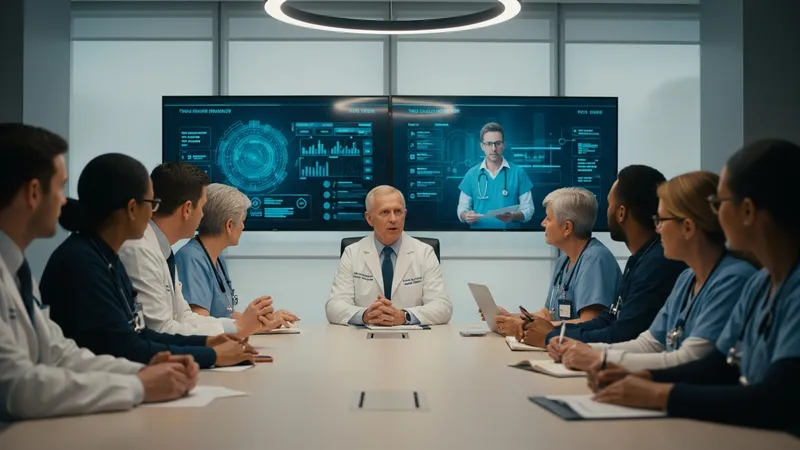
Team consultations typically include regular multidisciplinary meetings, which may take place in academic medical centers or specialized care units. Such meetings involve representatives from surgery, medicine, nursing, pharmacy, and ancillary services. Discussions cover acute clinical needs as well as rehabilitation and discharge planning. The inclusion of diverse professionals is intended to generate a comprehensive care plan that addresses all relevant medical and psychosocial factors.
Standardized communication tools are often implemented to support coordination. For example, handoff protocols or structured communication templates—such as SBAR (Situation-Background-Assessment-Recommendation)—help organize information exchange among healthcare providers. These tools are widely adopted in United States hospitals to minimize miscommunication and improve patient safety during transitions between care settings.
Patients and families are also considered integral to the coordination process. Many United States healthcare institutions provide patient portal access to EHRs, allowing individuals to track appointments, view results, and communicate with their care teams. This digital engagement promotes transparency and can encourage shared decision-making, which is a key feature of comprehensive care frameworks.