
Medical Equipment: Factors To Consider When Selecting Devices For Healthcare Settings

Integration, training, and procurement processes for device adoption
Integration with clinical information systems and existing hardware is a frequent determinant of whether a device functions effectively within an organisation. Interoperability standards, data export formats, and compatibility with electronic health record systems are technical elements often assessed prior to purchase. Implementation teams typically map data flows and identify any middleware or interface requirements to ensure that device data are accessible to clinicians and support staff in meaningful formats without introducing excessive manual work.
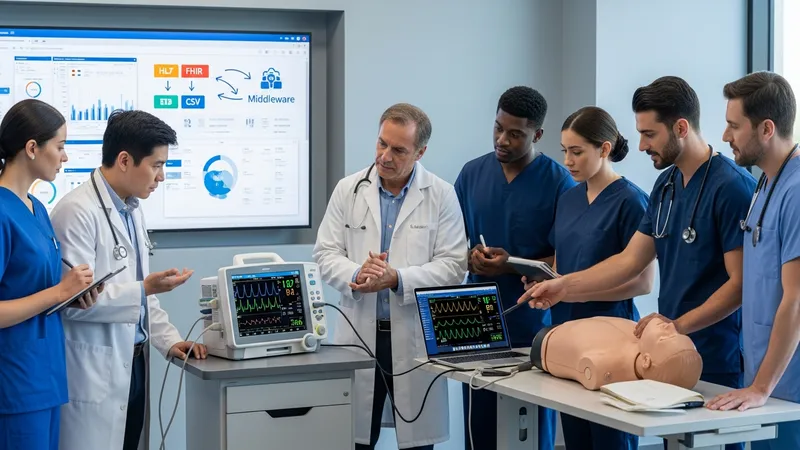
Training strategies are commonly tailored to device complexity and user roles. Clinicians, nursing staff, and technical personnel may each require different levels of instruction, and ongoing competency assessments may be planned. Training materials that include brief job aids, stepwise checklists, and scenario-based practice tend to support safer adoption. Organisations often consider whether on-site training is required or whether remote resources and digital modules can supplement hands-on practice for efficiency.
Procurement processes frequently include staged evaluation steps such as request for information, technical demonstrations, and pilot deployments. Cross-functional committees that combine clinical, technical, and procurement expertise may be used to evaluate bids against pre-defined criteria. Transparency in scoring and documentation of the rationale for choices can support accountability and provide a reference for future acquisitions. These steps help ensure that device selection aligns with institutional priorities and operational realities.
Post-procurement governance commonly defines roles for ongoing device oversight, including maintenance scheduling, incident reporting, and periodic re-evaluation of performance. Establishing clear responsibilities for lifecycle management and creating feedback loops for users to report issues support continuous improvement. Periodic review of device performance against initial expectations can inform future procurement cycles and foster a data-informed approach to updating clinical technology portfolios.