
Medical Equipment: Factors To Consider When Selecting Devices For Healthcare Settings

Maintenance, lifecycle cost, and budgeting aspects for medical devices
Lifecycle cost considerations may extend beyond initial purchase price to include consumables, spare parts, calibration, and service contracts. Organisations often create a total cost of ownership estimate that accounts for typical consumable usage rates, estimated mean time between failures, and routine preventive maintenance intervals. These estimates may be adjusted based on experience with similar equipment, vendor transparency about parts pricing, and available in-house technical capability. Projected costs are commonly presented as ranges rather than precise figures to reflect variability.
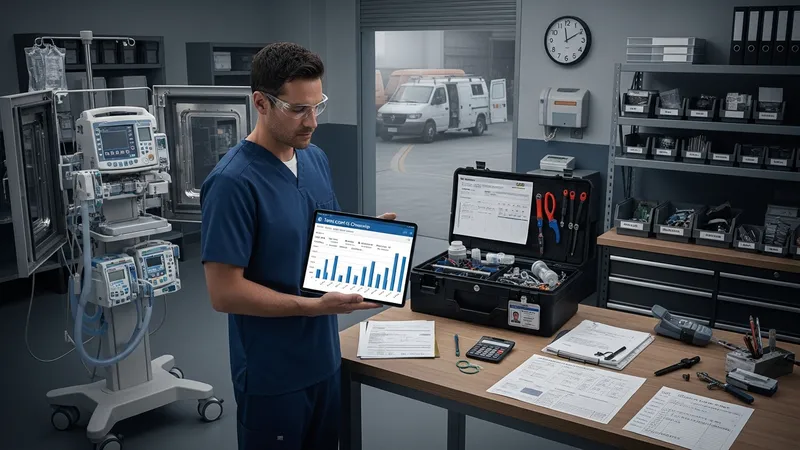
Maintenance planning frequently assesses whether technical support will be provided by the manufacturer, a third-party service provider, or internal biomedical engineering teams. Service response times, availability of certified technicians, and supply chain reliability for replacement components are practical factors that can affect downtime. Some facilities maintain critical spares in-house to reduce operational interruptions, especially for devices integral to acute care pathways. These strategies are evaluated in the context of acceptable risk tolerance for service interruptions.
Budgeting for upgrades and eventual replacement is often part of long-term asset management. Typical equipment lifecycles may vary by technology class and usage intensity, and organisations may set replacement cycles that reflect depreciation and technological obsolescence. Capital planning processes may incorporate scheduled refreshes or modular upgrades where devices allow component-level replacement. Documenting anticipated upgrade timelines can help align procurement schedules with broader fiscal planning.
Financial planning for devices may also consider bundled costs such as training, certifications, and integration work. Initial implementation may require staff training sessions, software configuration, or changes to clinical protocols, all of which carry time and resource implications. Including these items in budgetary estimates can provide a more realistic view of near-term operational impacts and help planners decide between alternatives with similar upfront costs but differing ancillary needs.