
Marketing Automation Platforms: Key Features And Core Capabilities Explained

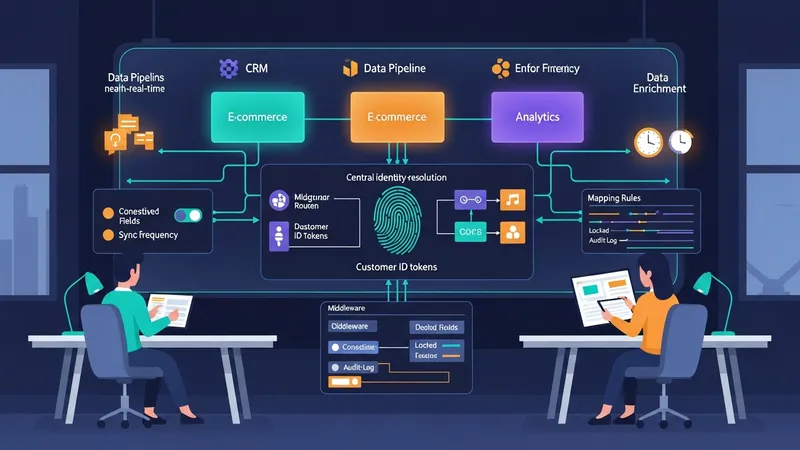
Integration, data sources, and governance for marketing automation platforms
Integrations connect automation systems to customer relationship management, ecommerce platforms, analytics tools, and external data enrichment services. Common patterns include native connectors for popular applications, APIs for custom integrations, and batch file imports for legacy systems. Each pattern affects synchronization frequency: APIs can support near real-time updates, while scheduled imports may introduce delays that influence time-sensitive campaigns. Assessing the available integration methods helps determine how quickly and reliably contact state can be used within automation logic.
Data sources feeding automation platforms typically include first-party interaction data (website events, form submissions), transactional records, and imported lists. Ensuring consistent identifiers across systems—such as a stable customer ID—reduces duplication and improves matching accuracy. Teams often implement middleware or identity resolution layers when multiple systems contain overlapping records, and they treat mapping rules conservatively to avoid unintended overwrites of authoritative fields.
Data quality and governance considerations can significantly affect platform utility. Practices such as standardized field definitions, validation rules, and routine deduplication may reduce errors in targeting and reporting. Retention policies and archival processes should align with organizational requirements so that stale or inaccurate records do not drive automation decisions. Regular audits of segment definitions and field usage may help maintain data hygiene over time.
Privacy and compliance are functional constraints that influence integration choices and data handling. Systems that capture or route personal data may require configurable consent flags, suppression lists, and mechanisms to honor opt-outs. Teams should treat these capabilities as operational requirements rather than optional features, and they may plan for periodic reviews of privacy configuration and vendor controls as part of platform governance.