
Manufacturing Process Software: Key Features And Implementation Insights

Implementation Insights for Manufacturing Process Software
Deploying manufacturing process software typically begins with requirements gathering, where production goals, compliance needs, and integration points are assessed. Stakeholder involvement across IT, production, and quality divisions is often encouraged to ensure the selected solution aligns with operational realities. Pilot implementations or phased rollouts may be favored to minimize disruption and identify process improvements before facility-wide deployment.
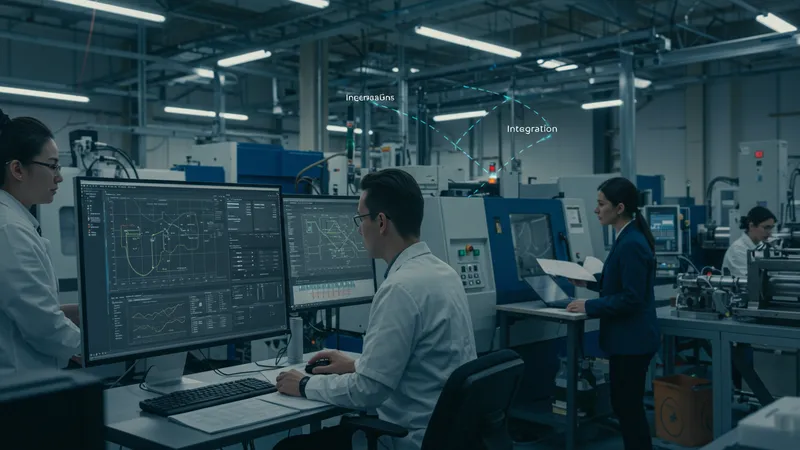
Integration with legacy systems is a common implementation consideration. Manufacturers often run older equipment or software, which may not natively communicate with newer applications. Selecting software with robust API capabilities or middleware support can be beneficial. Vendors sometimes provide customization services or connectors to bridge data between systems, helping maintain continuity and reduce manual workarounds.
User training and change management are crucial stages in the adoption process. Manufacturing environments may span multiple shifts and skill levels, so tailored training materials and on-site support can facilitate smoother transitions. Configurable user permissions, mobile interfaces, and role-based dashboards are features that may make it easier for operators, supervisors, and administrators to benefit from system functionality without unnecessary complexity.
Ongoing support and software updates are critical for operational stability. Many software providers offer technical support contracts, periodic feature enhancements, and security patches. Manufacturers may also establish internal support teams or collaborate with vendor consultants. Being aware of service level agreements, typical response times, and upgrade strategies may help ensure the solution remains reliable over time.