
Manufacturing Process Software: Key Features And Implementation Insights

Feature Sets in Manufacturing Process Software: Core Components
Manufacturing process software may offer a broad selection of modules aimed at production planning, scheduling, workflow automation, and operational monitoring. Commonly, these features allow manufacturers to coordinate activities across departments, monitor real-time shop floor events, and manage workflows from a centralized platform. Scheduling tools can include visual Gantt charts or Kanban boards for tracking stages and dependencies in production cycles. Such functionality is often configurable, allowing adjustment to unique production standards or timelines.
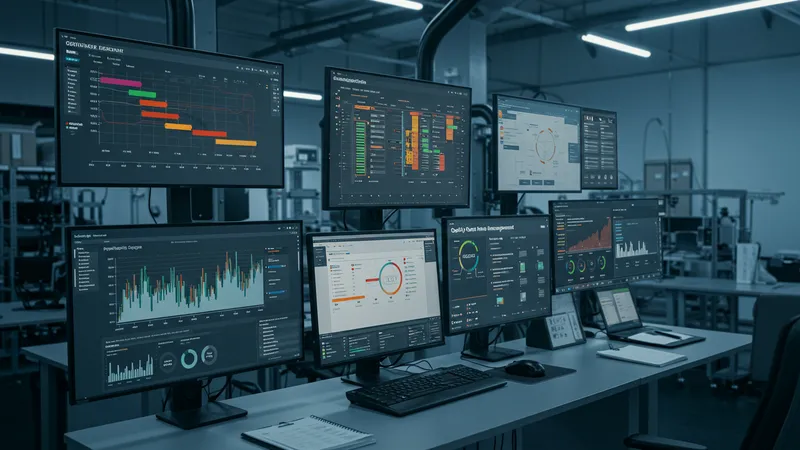
Quality management modules are integral to many manufacturing software solutions. These often provide digital checklists, automated quality inspections, and data logging for compliance purposes. Traceability features can assist with tracking the origin and movement of materials, often supporting regulatory requirements within industries such as pharmaceuticals, food, and electronics. Batch and lot tracking functionalities usually embed audit trails to help with product recalls or in-depth quality investigations.
Inventory management is another core component. Manufacturing software typically integrates with inventory systems to provide visibility of raw materials, work-in-progress, and finished goods. Automated alerts for reorder points and real-time inventory adjustments can reduce the likelihood of production delays or overstocking. Some platforms support barcoding or RFID scanning to further automate inventory tracking on the shop floor.
Advanced offerings may incorporate analytics dashboards and industrial IoT (IIoT) integrations. Visualization tools aggregate data from equipment sensors or ERP systems, displaying trends in downtime, throughput, or energy consumption. Predictive analytics may help organizations identify inefficiencies, anticipate maintenance needs, or improve capacity planning. These features contribute to data-driven operational management within the manufacturing sector.