
Luxury Interior Design: Exploring Materials And Finishes

Material Selection in Luxury Interior Design: Characteristics and Examples
Material selection is a defining aspect of luxury interior design, directly influencing the ambiance, performance, and identity of a space. Designers may prioritize natural materials such as marble, hardwood, and specialty paints for their unique properties and enduring qualities. In the United States, these materials are selected not just for visual impact but also for long-term durability and ease of maintenance. The inherent characteristics of each element—such as the veining in stone or the warmth of wood—often guide their application in various settings including kitchens, living areas, and bathrooms.
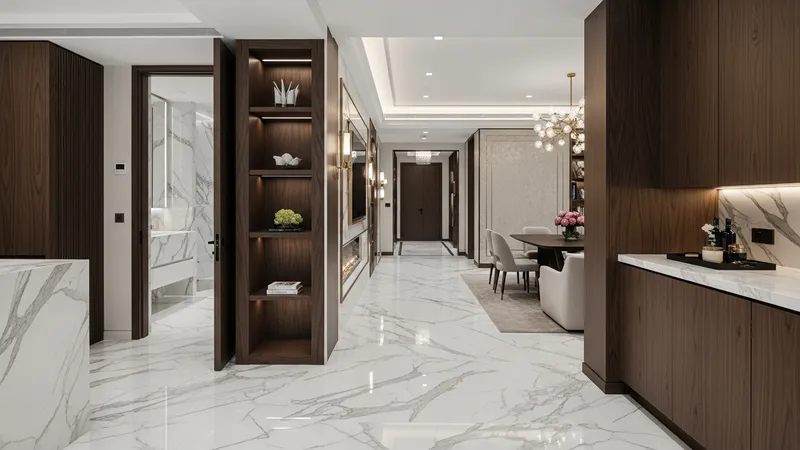
Sophisticated interiors frequently feature a balance of tactile and visual qualities. For instance, marble, one of the most widely used natural stones in the luxury segment, can serve as flooring, bathroom surfaces, or focal points in entryways. Designers often match or contrast marble with other materials such as brushed metals, rich textiles, or custom woodwork. This approach supports both functional demands and aesthetic preferences, resulting in interiors that are distinctive yet practical over time.
The use of custom woodworking, or millwork, introduces another layer of personalization and refinement to residential and commercial environments. Completely tailored components—such as bespoke cabinetry, built-in shelving, and detailed paneling—may be designed to create architectural rhythm or accent particular zones. Millwork can also be finished with premium lacquers, stains, or specialty paints to complement the broader palette, ensuring continuity between surfaces.
Specialty wall finishes, such as Venetian plaster or hand-applied murals, exemplify the artisanal side of luxury interior design. These treatments can transform both traditional and contemporary spaces with their depth and textural variation. In the United States, these applications typically require skilled tradespeople and careful coordination with other elements in the project. As a result, wall finishes are often used sparingly and strategically, contributing to overall harmony without overwhelming the architecture or furnishings.