
Luxury Interior Design: Exploring Materials And Finishes

Luxury interior design encompasses a specialized approach to creating refined and comfortable living spaces. This concept places an emphasis on high-quality materials, meticulous attention to craftsmanship, and cohesive spatial planning. Rather than focusing solely on visual impact, it integrates both function and style, resulting in settings that may reflect personal taste while supporting everyday living. The tactile qualities of the environment, customized architectural details, and considered use of finishes all contribute to an atmosphere that is both inviting and sophisticated.
Distinct from general interior design, luxury interiors often utilize exclusive materials, bespoke furnishings, and carefully curated décor. Natural elements, artisanal techniques, and advanced technologies are often blended to achieve a balanced aesthetic. Spaces designed under this principle may include unique architectural features, intricate detailing, and select art or objects to reinforce a sense of harmony. A thoughtful selection of finishes—ranging from rare woods to natural stone—can further shape the experience within these interiors.
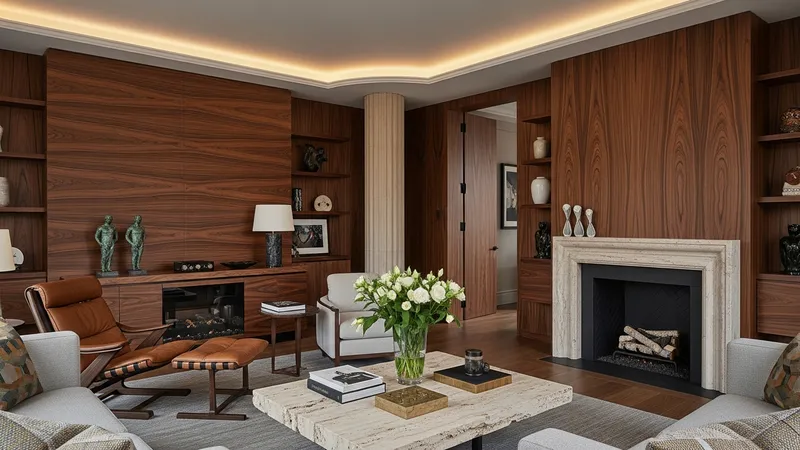
- Marble Surfaces: Frequently used for flooring, countertops, and walls, marble offers a distinctive look due to its natural veining and range of colors. It is valued for its durability and timeless appeal. Most natural marble surfaces suitable for luxury interiors in the United States may range from $40 to $150 per square foot. Natural Stone Institute: Marble
- Handcrafted Millwork: Custom millwork—including moldings, cabinetry, and paneling—adds architectural interest and detail. This may involve traditional woodworking methods and premium hardwoods such as walnut or oak. Costs typically start from $200 per linear foot for custom applications, varying by complexity and finish. Architectural Woodwork Institute: Standards
- Specialty Wall Finishes: Plaster, Venetian plaster, or silk wallpaper are often utilized to introduce visual texture and depth. These finishes are crafted by skilled artisans, with pricing commonly starting at $10 to $40 per square foot depending on technique and material. American Coatings Association: Architectural Coatings
Lifestyle requirements play a significant role in shaping material choices. In luxury interior environments, selections are often tailored to enhance both daily living and broader architectural goals. For example, natural stone may be chosen for wet areas due to its resilience, while handcrafted cabinetry could serve as a centerpiece in social spaces. Each decision typically balances durability, comfort, and visual coherence.
The integration of custom finishes and detailing often distinguishes luxury interiors from conventional spaces. Handcrafted millwork or artisan wall finishes contribute an individualized character that may not be found in off-the-shelf solutions. These methods can showcase the skills of regional artisans and reflect an appreciation for fine craftsmanship in design projects across the United States.
Many luxury interiors also rely on a thoughtful blending of materials to produce rich sensory experiences. Contrasts in texture—such as sleek stone paired with soft textiles—can create dynamic, layered environments. However, designers may use restraint, ensuring finishes and materials are coordinated to form a seamless, unified appearance rather than visual clutter.
Functionality remains central to luxury interior design. While the materials and techniques employed are often visually striking, they are also intended to serve the occupants’ everyday needs. This focus on usability, combined with refined aesthetics, can result in spaces that are both beautiful and practical, suited to a variety of lifestyle requirements.
In summary, luxury interior design is characterized by purposeful selection of materials and finishes, investment in skilled craftsmanship, and an attentive approach to space planning. The following sections examine practical components and considerations in more detail.