
Korean Anti Aging: Key Elements Of Traditional And Modern Approaches

Modern Scientific Elements in Korean Anti Aging Formulations
Contemporary Korean anti-aging formulations often incorporate ingredients derived from scientific research on skin biology, including peptides, ceramides, hyaluronic acid, and various antioxidants. These compounds aim to support epidermal functions such as hydration retention, barrier reinforcement, and cellular communication. Their use reflects an alignment with broader skincare innovation trends informed by dermatological studies rather than solely relying on traditional practices.
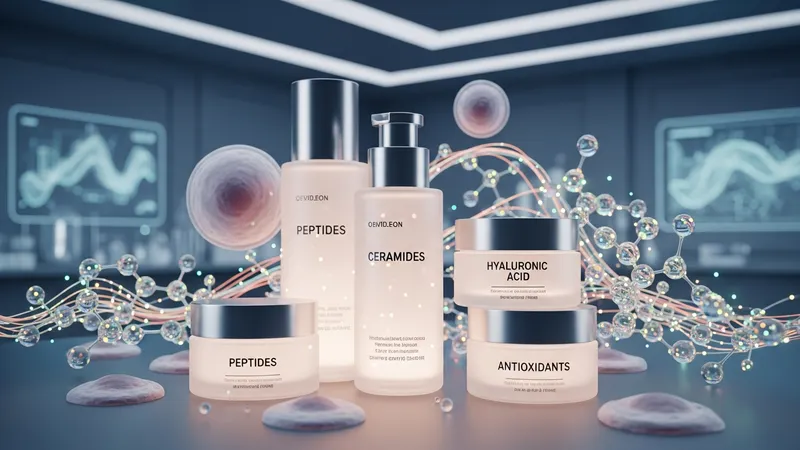
The integration of these modern scientific elements typically involves detailed formulation to enhance ingredient stability, penetration, and synergistic effects. For instance, peptides may be deployed to interact with cellular receptors associated with skin structure maintenance. Hyaluronic acid, known for its water-retention properties, is commonly included to boost moisturization, aligning with Korean skincare’s emphasis on hydration.
Such active ingredients may be subject to extensive testing for safety and compatibility with various skin types under South Korean regulatory frameworks. These evaluations ensure products meet necessary standards; however, the extent to which these ingredients influence aging markers in skin remains an active area of investigation. Formulators often combine multiple actives to address different skin functions rather than focusing on singular effects.
Moreover, technological advancements within South Korea’s skincare industry facilitate innovations such as microencapsulation and nanoemulsion, which can modify the delivery of active substances. These technologies could potentially enhance ingredient performance, though their efficiency and impact depend on careful formulation and individual skin responses rather than universal outcomes.