
Korean Anti Aging: Key Elements Of Traditional And Modern Approaches

Traditional Ingredient Roles in Korean Anti Aging Approaches
Traditional ingredients play a foundational role in Korean anti-aging concepts, often introduced based on historical usage in herbal medicine and food therapy. Common botanical elements typically include ginseng, green tea, licorice, and various roots and flowers, valued for their longevity and restorative narratives. These ingredients may provide antioxidant and anti-inflammatory effects that contribute to maintaining skin hydration and texture, although clinical validation varies by compound and product.
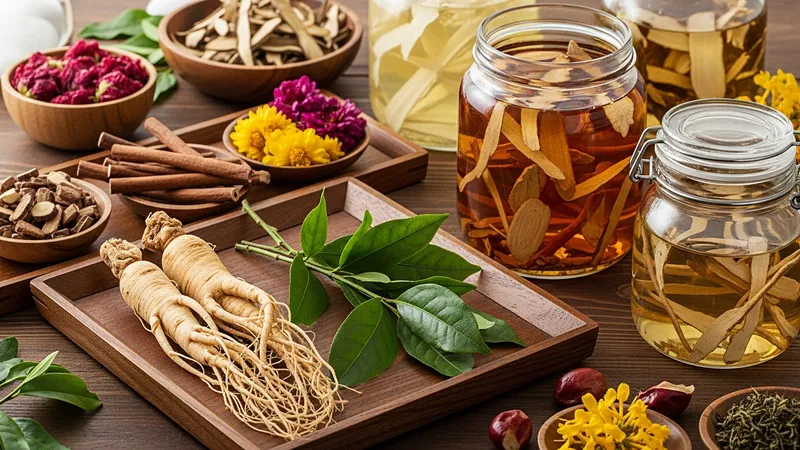
The preparation of traditional components frequently involves extraction or infusion techniques designed to preserve active constituents. In Korean practices, the extraction methodology may combine long soaking periods or fermentation, which potentially alters the biochemical profile of ingredients. These methods often emphasize natural preservation and enhancement, consistent with a philosophy that skin health aligns with natural balance and avoidance of harsh synthetic substances.
Historical texts such as the “Dongui Bogam” document various botanical prescriptions linked to skin care and overall well-being, underscoring Korea’s rich heritage in utilizing plant-based remedies. While many traditional formulas have made their way into modern products, they typically undergo adaptation to suit contemporary cosmetic standards, balancing tradition with safety and usability requirements governed by Korean regulatory authorities.
One key consideration when evaluating traditional ingredient roles is the variability in concentration and bioavailability between traditional preparations and formulated products. Modern cosmetic applications may standardize extracts, adjusting dosage for topical application, which can influence the user’s experience and outcome. However, these adjustments tend to adhere to safety profiles established through regulatory guidance rather than claims of guaranteed efficacy.