
Interior Design Services: Exploring Custom Solutions For Residential And Commercial Spaces

Material and Durability Considerations in Custom Seating Selection
Material science contributes significantly to the longevity of custom seating products. High-density foams, engineered woods, and commercial-grade textiles are commonly used to support daily use and ease of maintenance. In the United States, clients often specify finishes based on local climate factors, stain resistance, and anticipated cleaning regimes. Choices regarding frame construction and joinery methods can also affect the lifespan of the installation.
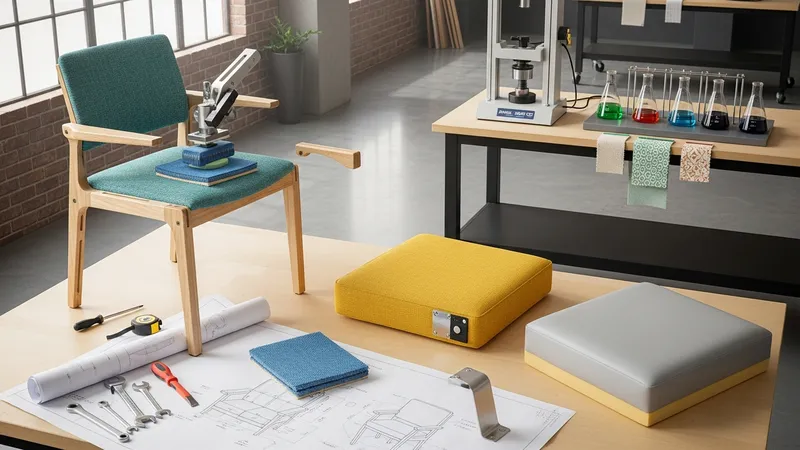
Durability considerations extend to hardware and surface treatments. Metal reinforcing and powder-coated surfaces may be specified for environments exposed to heavy wear or frequent cleaning. Upholstery fabrics often undergo abrasion testing and chemical treatment to ensure they meet requirements for stain repellency and colorfastness, which can be particularly important in medical or food service applications.
Environmental certifications are increasingly valued in project specifications. Materials carrying third-party verifications, such as GREENGUARD or FSC-certified wood, are sometimes selected to meet sustainability benchmarks in commercial projects. Providers may offer documentation regarding the origin and performance of these materials as part of their compliance obligations.
Maintenance planning frequently influences material selection. Removable covers, antimicrobial treatments, and user-friendly fastening options allow for cost-effective servicing of seating elements. In some instances, providers coordinate with cleaning or maintenance staff to develop guides and schedules that help preserve both appearance and functionality over time.