
Interior Design Services: Exploring Custom Solutions For Residential And Commercial Spaces

Applications of Custom Seating in Different Sectors
Custom seating solutions may be applied in various sectors, with restaurants and hospitality venues being prominent examples. In such settings, seating configurations must balance guest comfort with operational efficiency. U-shaped or semicircular banquettes, for instance, can facilitate group dining while maximizing floor space. Upholstered booths might also create a sense of privacy and acoustic dampening in busy environments.
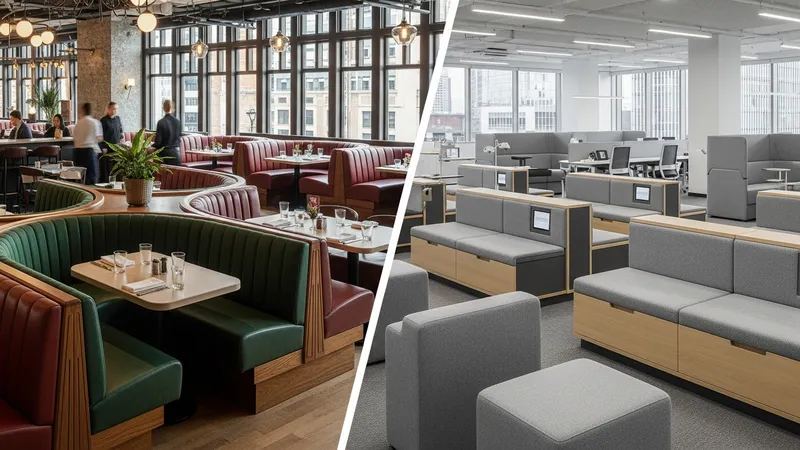
Retail and commercial office interiors frequently utilize bespoke benches or modular seating to support flexible work zones and waiting areas. Providers usually work with facility managers and interior architects to ensure that the seating integrates effectively with the brand image and technical requirements such as power outlets or digital displays. Choices like antimicrobial fabrics and foam treatments are often dictated by health compliance policies in high-traffic scenarios.
The healthcare sector in the United States may call for custom seating tailored to strict hygiene protocols and mobility access. Benches and booths supplied to clinics or hospitals often use sealed seams, washable covers, and easy-to-replace components. Accessibility frameworks, such as the Americans with Disabilities Act (ADA), provide guidelines affecting heights, depths, and maneuverability for all user groups.
In private residences, custom seating is often requested to address unconventional layouts or to deliver personalized comfort levels. Built-in banquettes may maximize kitchen space or offer multipurpose storage, while designated reading nooks or media rooms benefit from ergonomic, site-specific design. Color schemes and material choices are typically coordinated to match broader themes within the home.