
Insulated Prefabricated Houses: Key Construction Features And Materials Explained

Manufacturing, transport and on-site assembly considerations for insulated prefabricated houses
Factory manufacturing of insulated panels and modules typically emphasizes dimensional control and repeatable processes. Precision cutting, automated adhesive application, and panel press cycles are often used to produce consistent panel geometry and bond quality. Quality assurance steps may include panel straightness checks, core density verification, and inspection of joint seals and fasteners. These factory controls can reduce variability, but they require accurate input data from design documents and close coordination between designers and fabricators to manage tolerances and interface details effectively.
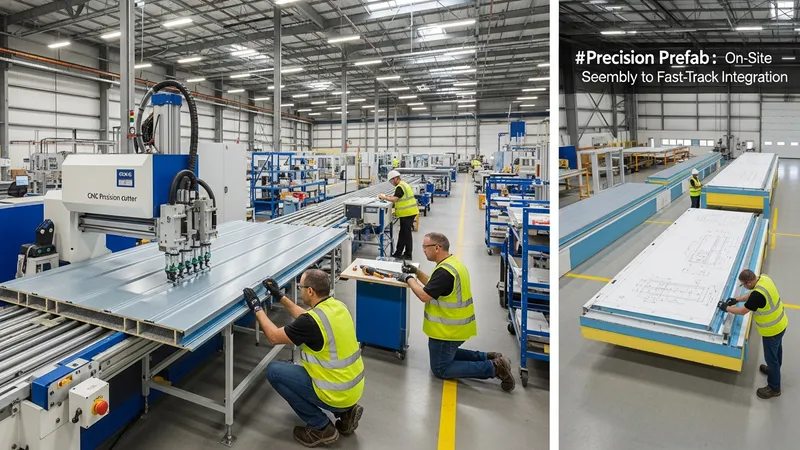
Transport limitations frequently determine maximum panel or module dimensions. Road transport, over-height restrictions, and handling equipment influence the size of elements shipped from the factory. Designers may subdivide large building faces into transportable panel sizes and detail mechanical joints or splines for on-site assembly. Protective packaging and temporary bracing are commonly used to reduce damage during transport, and handling protocols may specify lifting points to avoid undue stress on insulated cores or facings.
On-site assembly considerations include crane capacity, assembly sequencing, and tolerances for joining panels or modules. Mechanical connections, sealant application, and fastener schedules are typically executed with reference to factory marks and pre-designed interfaces. Weather and site access conditions can affect the speed of assembly; for example, exposed edges of insulated panels may require temporary weatherproofing until final cladding is installed. Coordination with mechanical and electrical trades is usually needed to align service penetrations and ensure continuity of air and thermal barriers.
Field testing and commissioning commonly follow assembly to confirm envelope integrity and system performance. Blower door tests, thermal scans, and checks of joint detailing are often used to identify areas needing remediation. Because factory production can reduce on-site variability, attention is often focused on sealing panel joints, flashing transitions, and penetrations where performance typically depends on contractor execution during assembly rather than factory fabrication alone.