
High-Speed Internet Options: Key Factors To Consider When Choosing A Plan

Speed, latency, and performance metrics to evaluate
Speed commonly refers to download and upload throughput measured in megabits or gigabits per second and is a primary specification in many plans. However, actual performance also includes latency (milliseconds between packet exchanges) and jitter (variation in latency), which can affect activities like video calls and interactive applications. When reviewing plan information, look for both advertised throughput and any available median or typical speed reports that indicate daily or peak-hour performance. Understanding how a plan’s advertised figures translate into sustained use helps set practical expectations.
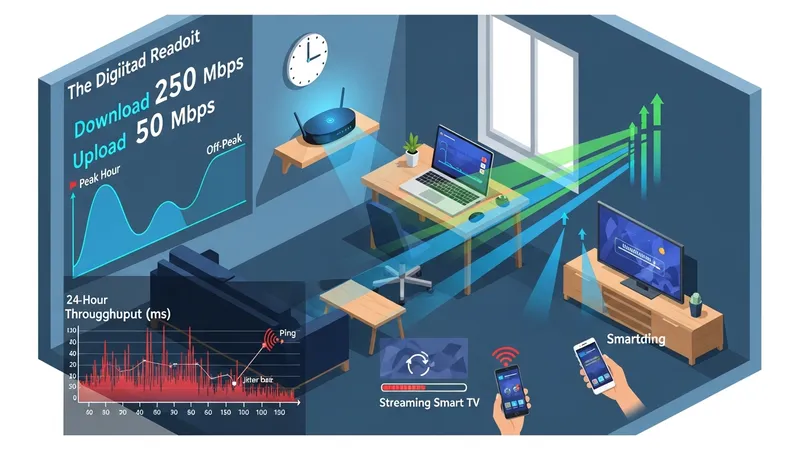
Measuring real-world performance may involve speed tests conducted at different times to capture peak and off-peak behavior. Independent measurement tools can provide an empirical view of how a connection handles simultaneous streams or uploads. Factors such as in-home Wi‑Fi configuration, device capabilities, and local network congestion can influence test results. Interpreting those measurements in context—such as by comparing to expected needs for streaming quality or remote work sessions—can be informative without implying guarantees about future performance.
Symmetry between download and upload speeds matters depending on user behavior. Households that regularly upload large files, back up to cloud storage, or host remote sessions may find more value in plans with higher upload rates. Many cable-based plans historically offer higher downstream capacity relative to upstream, while fiber deployments often provide closer parity. Evaluating symmetry alongside latency and reliability metrics yields a more complete view of how well a plan supports bidirectional tasks rather than relying solely on headline download numbers.
Network management practices can also shape performance outcomes. Providers may implement traffic shaping or prioritization rules that affect certain traffic types during congestion periods. Some plans may note explicit policies about peak-time management or usage tiers. Reviewing these operational details as part of the technical evaluation helps clarify how a plan’s measured speeds might vary under different network conditions and usage patterns.