
Heating Solutions: Exploring Systems For Residential And Commercial Spaces

Operational Costs and Maintenance of Heating Solutions
The operational cost of a heating solution commonly reflects energy consumption, fuel type, local utility rates, and usage patterns. Forced-air furnace and boiler systems may have varying running costs according to fuel price fluctuations and system efficiency. Heat pumps, while often more efficient, may lead to different operational expenditures based on local electric rates and climate-related performance variations.
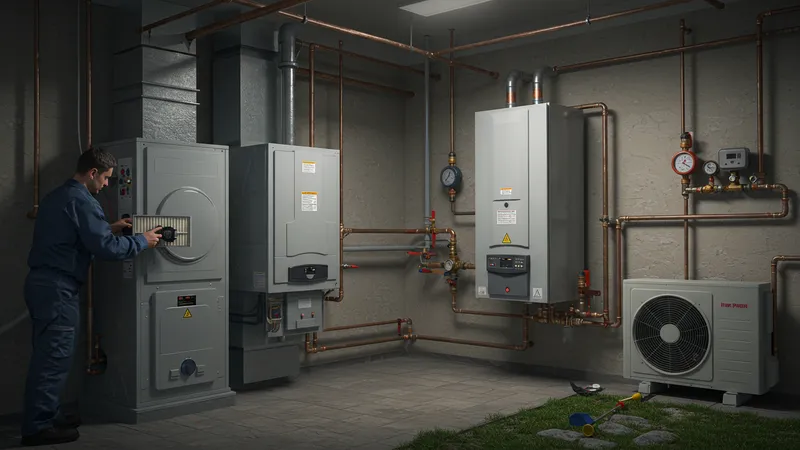
Maintenance requirements differ between system types. Furnaces typically need regular filter changes and system checks to maintain airflow and efficiency. Boilers may require periodic flushing and inspection to address mineral buildup and ensure safe operation. Heat pump systems frequently benefit from maintenance on exterior units and refrigerant checks to preserve transfer efficiency.
Lifespan estimates for heating systems can range widely, with many forced-air systems and boilers lasting 15 to 25 years under average operating conditions. Heat pumps may have similar operational expectations, particularly when installed and serviced according to manufacturer recommendations. Regular professional inspection can help identify issues early and prolong system longevity.
Retrofitting or upgrading older heating systems may present operational benefits, including higher energy efficiency and lower utility costs over time. Such investments are typically weighed against up-front installation expenses, availability of rebates or incentives, and the remaining useful life of existing equipment. Informed decision-making may involve reviewing current operational performance, typical energy expenditures, and potential for improved comfort or energy management.