
Heating Solutions: Exploring Systems For Residential And Commercial Spaces

Performance and Efficiency Considerations in Heating Solutions
Assessing the performance of a heating solution typically involves evaluating its energy efficiency, measured by metrics such as Annual Fuel Utilization Efficiency (AFUE) for furnaces or Seasonal Coefficient of Performance (COP) for heat pumps. These metrics indicate how effectively a system converts fuel or electricity into usable heat, with higher values suggesting more output per unit of energy input.
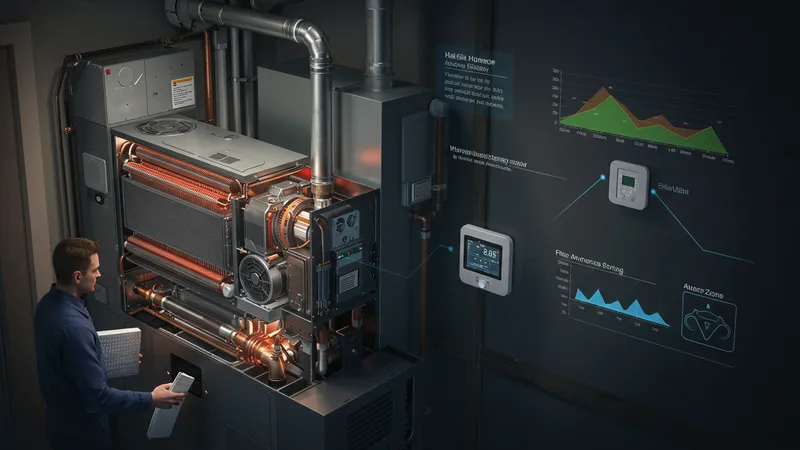
Advancements in heating technology have introduced features like variable-speed blower motors, advanced thermostats, and zoned heating controls. These innovations allow systems to better match output to real-time heating demands and may contribute to reduced operational costs. Routine maintenance, such as filter replacement or system tuning, also plays a critical role in preserving efficiency over the lifetime of a system.
For commercial properties, building automation systems can offer a centralized platform to monitor, schedule, and optimize heating operations. Data-driven adjustments, such as demand-based temperature setbacks or occupancy sensors, may result in further energy conservation without sacrificing occupant comfort. Performance monitoring can also help identify issues that may otherwise impact energy usage or system reliability.
Proper system sizing and installation practices remain fundamental to achieving desired performance benchmarks. Undersized or oversized systems can lead to suboptimal operation and increased energy consumption. Consultation with experienced professionals and adherence to relevant guidelines and standards support more consistent system performance over time.