
Green Coffee Investment Portfolios: Key Factors Influencing Performance

Harvest Cycles and Supply Dynamics in Green Coffee Investment
Harvest cycles determine when green coffee beans become available for distribution and sale. Many coffee-producing regions follow annual or biennial patterns, influenced by rainfall, altitude, and crop management practices. The main harvest period can affect not only immediate supply but also expectations for future pricing, often creating seasonal trends in market activity affecting portfolio valuations.
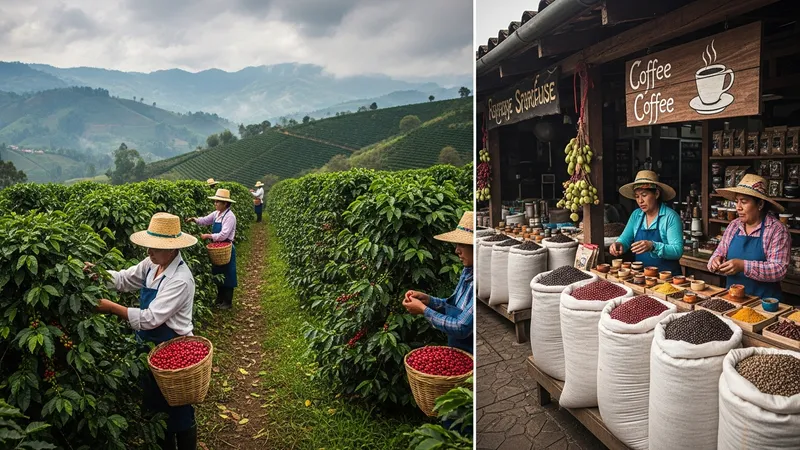
Supply chain timing is crucial for portfolio holders managing physical coffee stocks. Delays in harvesting or transportation may result in fluctuating inventories and unanticipated storage needs, potentially increasing operational costs. Patterns of oversupply during peak harvest months can also lead to short-term price decreases, while scarcity during off-peak periods might benefit sellers positioned with inventory.
Portfolio strategies often incorporate forecasts of harvest size and quality to manage risk. These estimates may be derived from field surveys, historical trends, and satellite data. However, unanticipated weather events or pest outbreaks can alter yield expectations rapidly, compelling investors to adjust positions with limited notice. Monitoring real-time data sources is thus a routine part of portfolio management.
Regulatory frameworks or local agricultural policies may sometimes influence harvest timing and export capacity. Quotas, quality controls, or labor regulations imposed by producing countries can introduce variability to global supply streams. These elements are typically analyzed as part of fundamental risk assessment for green coffee investment portfolios.