
Green Coffee Investment Portfolios: Key Factors Influencing Performance

Origin and Quality Considerations in Green Coffee Portfolios
Origin is a critical determinant in green coffee investment. Beans grown in different geographical zones often exhibit distinct physical and sensory characteristics due to local climate, soil type, and farming methods. Regions known for specialty coffees may command premium pricing, while those producing commercial-grade coffees may face greater price volatility. Investors generally monitor these distinctions closely, as they can influence demand and liquidity within a portfolio.
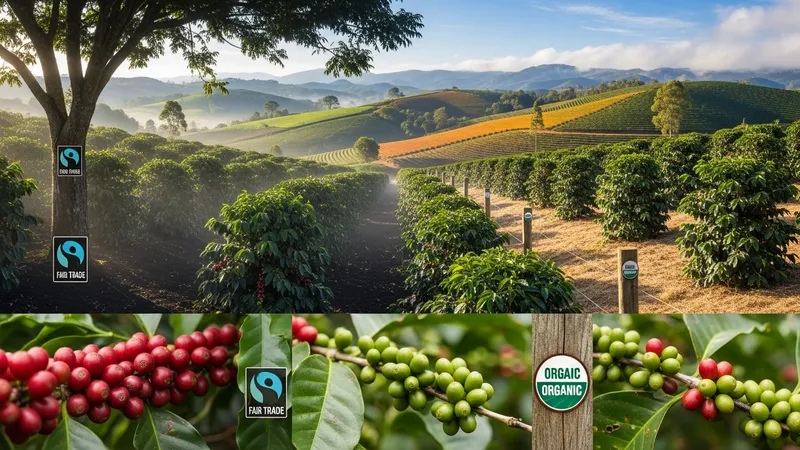
Quality grading plays a central role in portfolio categorization. International grading frameworks often assess beans by size, defect count, and flavor profile. Higher grades may attract purchasers seeking consistency and traceability, while lower grades are typically routed to commercial buyers. Certification programs, such as Fair Trade or Organic, may add credibility and affect perceived value, but can also involve compliance and audit costs for portfolio managers to consider.
Coffee portfolios with a concentration in a single origin or grade may see increased risk from localized disruptions, such as adverse weather or disease outbreaks. Diversification across multiple regions and quality levels could help reduce this exposure, although it may complicate logistics. Investors often weigh the potential tradeoffs between quality premiums and diversification benefits based on their risk tolerance and long-term objectives.
Market transparency for origin and quality information is an ongoing concern. Industry stakeholders may rely on standardized documentation and verification processes to support claims related to bean provenance and grade. These systems can enhance investor confidence, but may not eliminate all risks associated with counterparty reliability or misrepresentation.