
Fraud Protection Services: How Monitoring And Alerts Help Reduce Risk

Performance Measures, Compliance, and Implementation Considerations
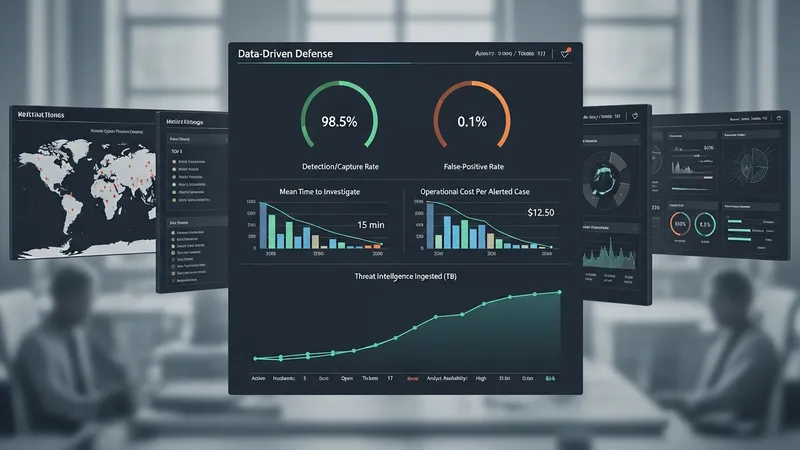
Common performance measures for monitoring and alerting include true-detection rate (often expressed as detection or capture rate), false-positive rate, mean time to investigate, and operational cost per alerted case. Organizations in the United States often report these metrics at regular intervals to quantify system performance and to guide tuning decisions. Because model performance can drift as fraud patterns evolve, periodic re-evaluation and retraining are typical practices to maintain effectiveness over time.
Compliance and legal considerations are integral in U.S. implementations. Data collection and signal processing may implicate federal statutes, such as the Gramm-Leach-Bliley Act for financial institutions and the Fair Credit Reporting Act where consumer-reporting data is used. Some states also have privacy statutes that affect data handling and consumer disclosures. Implementers commonly involve legal and privacy teams early to document lawful bases for processing, retention schedules, and consumer notice language.
Operational considerations include vendor selection, data quality, and integration with legacy systems. Data quality—accuracy, timeliness, and completeness—directly affects model reliability. Many U.S. institutions establish data pipelines with validation checks, monitoring dashboards, and fallback procedures. Vendor service-level agreements (SLAs) and transparency about model inputs and update cadences are often evaluated as part of procurement, particularly where regulatory oversight or auditability is required.
Finally, practical implementation tips often emphasize measurable pilots, stakeholder alignment, and governance. Pilots can reveal real-world detection characteristics and workload implications; clear governance defines who approves threshold changes and who owns model retraining. Documentation of decision criteria and an auditable trail of changes can support internal reviews and regulatory inquiries. Taken together, these practices may help organizations maintain a balanced monitoring and alerting capability that addresses operational needs and regulatory expectations.