
Fraud Protection Services: How Monitoring And Alerts Help Reduce Risk

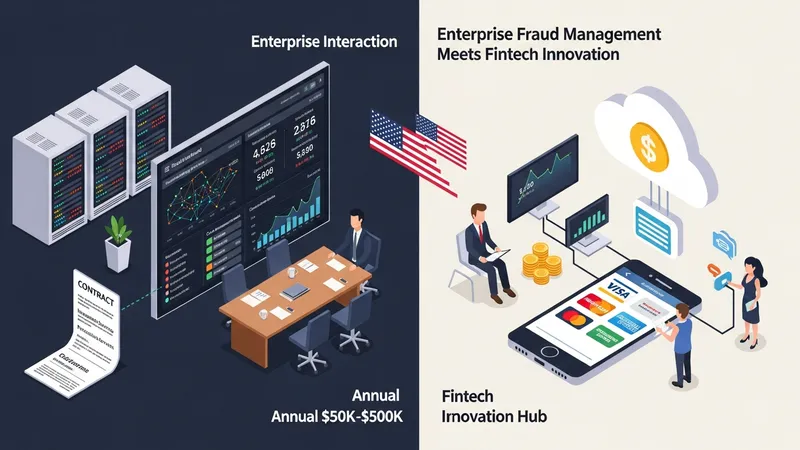
Cost Factors and Typical Pricing Patterns in the United States
Costs for monitoring and alerting capabilities vary widely based on scale, complexity, and deployment model. For financial institutions, enterprise fraud platforms that provide real-time scoring, machine-learning models, and case-management integration may involve initial integration fees and ongoing platform subscriptions. Pricing structures can be per-transaction, per-account, or subscription-based, and may include professional services for tuning and model training. Costs often scale with transaction volume and the number of monitored channels such as card, ACH, wire, and digital wallets.
For smaller institutions or fintechs, managed services and cloud-based detection platforms may offer alternative pricing that scales with usage. Typical consumer-oriented identity monitoring subscriptions in the U.S. have been reported in a range on the order of several dollars to a few dozen dollars per month, while enterprise solutions for fraud detection and prevention can extend from low five-figure to six-figure USD annual arrangements depending on functionality and volume. These patterns are indicative rather than prescriptive; organizations often pilot solutions to assess performance and refine cost projections.
When budgeting, U.S. implementers commonly account for implementation effort, data integration costs, model maintenance, and analyst staffing for investigation queues. Additional costs may come from regulatory compliance activities, vendor audits, and data-storage requirements. Some institutions amortize these activities across operational teams, while others track fraud-detection spend as a distinct budget item; either approach may be appropriate depending on organizational governance and reporting practices.
Price sensitivity can influence architectural choices: institutions with constrained budgets may prioritize rule-based detection and manual review workflows at first and progressively adopt machine-learning models as volume and complexity increase. It is often useful to perform a phased evaluation, measure key performance indicators during pilot runs, and reassess vendor or in-house options based on measured detection performance relative to operational cost.