
Financial Technology Trends: Key Innovations Reshaping Banking And Payments

Operational impacts: automation, security, and settlement
Automation in reconciliation, fraud detection, and customer support can reduce manual intervention for routine payment flows in U.S. institutions. For example, automated reconciliation tools match incoming ACH or card settlements with invoicing records, flagging exceptions for review. Machine learning classifiers may be trained on U.S.-sourced transaction data to identify anomalous patterns that warrant investigation, though models typically require ongoing monitoring to address drift and maintain acceptable false-positive rates in live environments.
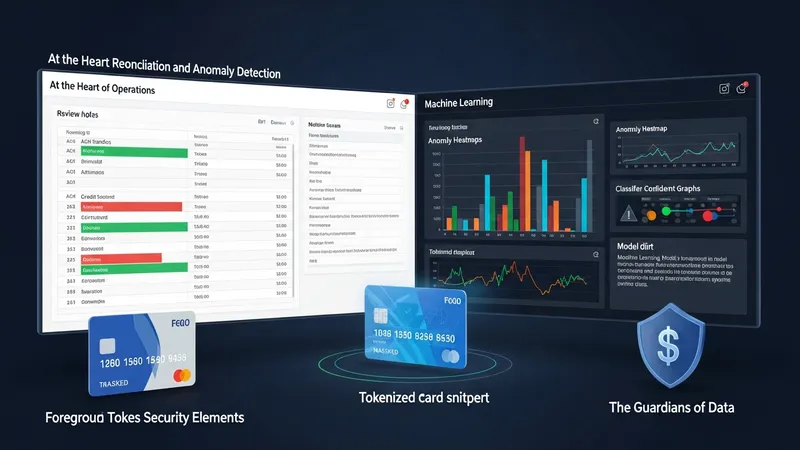
Security practices often include encryption in transit and at rest, tokenization of card credentials, and hardware-backed keys on mobile devices for authentication. In the U.S., implementing these controls may align with industry guidance such as the Payment Card Industry Data Security Standard (PCI DSS) for card handling and with vendor contractual obligations for third-party data processors. Regular penetration testing and incident-response planning are common operational expectations for entities handling significant transaction volumes.
Settlement processes differ by rail: card networks may provide daily or multi-day settlement windows, while ACH historically used batch processes with defined clearing times. Newer push-payment initiatives and same-day ACH in the U.S. have changed settlement expectations for certain transactions, influencing cash-flow management for businesses and banks. Firms often model liquidity needs under different settlement scenarios to ensure operational resilience.
Staffing and skills implications may include higher demand for engineers familiar with API-driven systems, analysts skilled in transaction monitoring, and legal personnel experienced with U.S. financial regulation. Institutions may invest in training and documentation to ensure teams understand how automation alters operational roles and to keep human oversight aligned with regulatory and risk-management requirements.