
EV Charging Station Installations: Understanding Infrastructure Needs

Site Selection and Urban Planning for EV Charging Station Installations
Site selection for EV charging stations in Saudi Arabia often hinges on the proximity to traffic corridors, business centers, and public amenities. Urban planning authorities generally prioritize areas with consistent vehicle flows and access for both private and fleet vehicles. This ensures that charging infrastructure supports adoption patterns and aligns with local transportation needs. The planning process may include site surveys, land use assessments, and traffic flow studies.
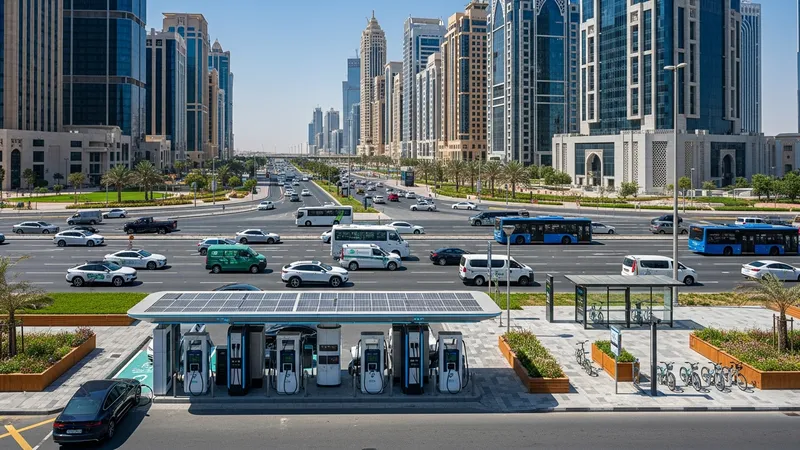
Municipal building codes and zoning requirements in Saudi Arabia regulate where charging stations can be physically installed, addressing safety, accessibility, and aesthetics. Permitting authorities typically review proposed station designs for fire safety, accessibility standards, and integration with urban landscaping. Compliance with these regulations can affect project timelines and influences where rapid expansion of the EV network is feasible.
Infrastructure planners in Saudi Arabia may collaborate with governmental consultative bodies to align new installations with national sustainability goals. These partnerships help coordinate with public transit developments, parking structures, and future smart city initiatives. Special consideration is sometimes given to locations that serve both urban residents and travelers crossing between cities, such as service areas on intercity highways and shopping mall complexes.
Environmental adaptation is fundamental for EV charging stations exposed to harsh temperatures, sand, or frequent sunlight. Equipment enclosures are typically specified to industry standards for dust and moisture resistance. In Saudi Arabia, selecting durable hardware may reduce long-term maintenance costs and improve operational continuity, particularly for outdoor or unattended stations.