
EV Charging Station Installations: Understanding Infrastructure Needs

Electrical Requirements and Power Management for EV Charging Station Installations
Deploying EV charging stations in Saudi Arabia involves coordinating with utility providers to determine the local grid’s capacity and readiness. Many regions require transformer upgrades or new service connections, especially for sites planned to host high-power DC fast chargers. Stakeholders might consult with the Saudi Electricity Company to evaluate electrical distribution and apply for connections that match anticipated peak loads. Careful planning in this area helps prevent grid congestion and supports stable operation.
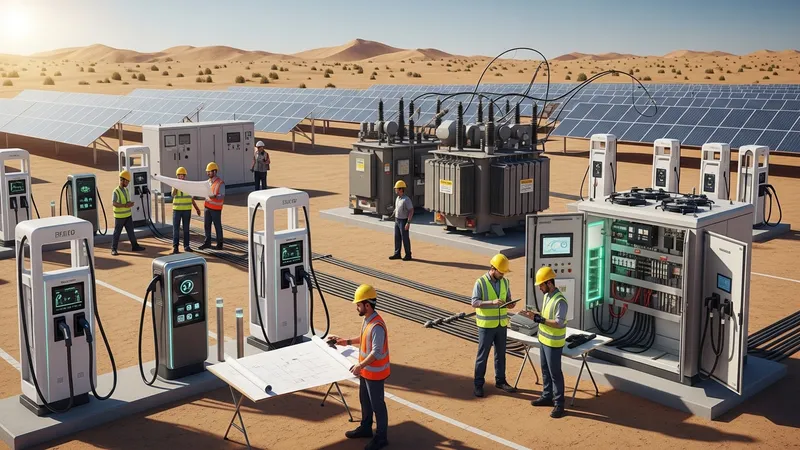
Power management strategies—often implemented through smart charging management systems—can help balance the demands placed on local infrastructure. Load balancing reduces the risk of overloading feeder lines or transformers by distributing vehicle charging events throughout the day. These systems can also support demand response practices, aligning station operation with times of surplus grid electricity, including periods of high solar availability in Saudi Arabia’s climate.
Emergency backup solutions and electrical safety measures are critical for high-usage locations. Many installations include surge protection, automated disconnects, and monitoring sensors to address faults promptly. In Saudi Arabia, compliance with national and municipal electrical safety standards is required, with technical inspections occurring prior to and after installation. These processes are designed to prevent equipment hazards and ensure user safety.
The cost for electrical infrastructure upgrades in Saudi Arabia varies by site and charger type. DCFC stations can require significant investment due to high-capacity cabling, dedicated transformers, and cooling systems, with installation costs typically ranging from SAR 90,000 to SAR 250,000 per unit. AC Level 2 chargers may incur lower costs when integrated into sites with existing commercial electrical supply, and stakeholders often consider long-term power tariffs and possible incentives from national programs when budgeting projects.