
EV Cars: Understanding Environmental Benefits And Impact

Energy Supply and Grid Mix Factors in EV Cars: Understanding Environmental Benefits and Impact
The broader environmental impact of EV cars is closely tied to the composition of the electricity grid from which they draw power. Where energy grids feature a high proportion of renewable sources, such as wind, solar, or hydro, the indirect emissions associated with EV charging may be significantly lower than in regions dependent on fossil fuels. This variance means that overall environmental benefits can fluctuate based on location and seasonal grid variations.
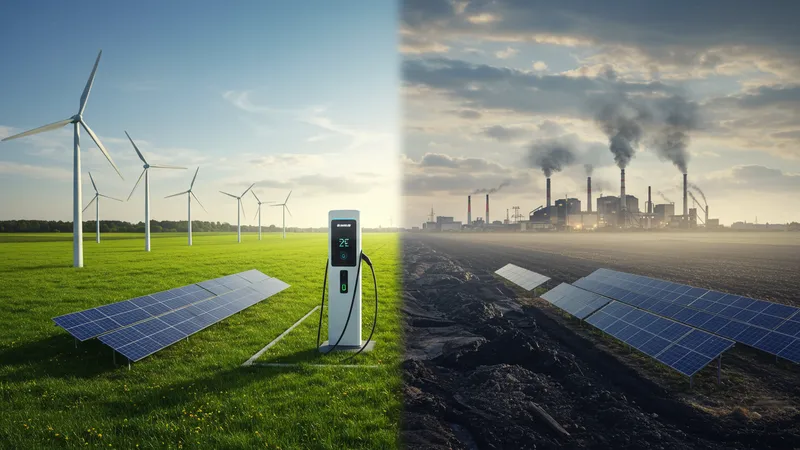
A grid dominated by coal or natural gas typically results in electric vehicles having a less pronounced emissions advantage compared to areas with substantial renewable energy inputs. Tracking the carbon intensity of electricity in various jurisdictions is regularly performed by organizations such as the International Energy Agency (IEA), providing benchmarks for policymakers and consumers seeking to assess the comparative efficiency of EVs.
Many countries have introduced policies designed to encourage further decarbonization of the grid, including investment incentives for renewable energy projects and infrastructure upgrades for smart charging systems. Smart charging technology may allow EVs to prioritize charging during periods of lower grid emissions, smoothing demand peaks and integrating seamlessly with renewable output fluctuations.
Ongoing research focuses on how the growth in EV adoption may affect overall electricity demand and the potential requirement for grid modernization. Policy institutes and academic studies highlight scenarios in which managed charging and distributed energy resources, including home solar systems, may support stability and sustainability of the electricity grid in tandem with expanding EV fleets.