
EV Cars: Understanding Environmental Benefits And Impact

Battery Technology in EV Cars: Understanding Environmental Benefits and Impact
Battery technology plays a central role in shaping the environmental profile of electric cars as it determines not only vehicle range and performance but also resource usage and recyclability. Lithium-ion batteries remain the most prevalent in modern EVs, balancing energy density with rechargeability. The production phase involves complex supply chains for minerals, and current research is focused on minimizing the ecological footprint associated with mining, processing, and transportation of battery materials.
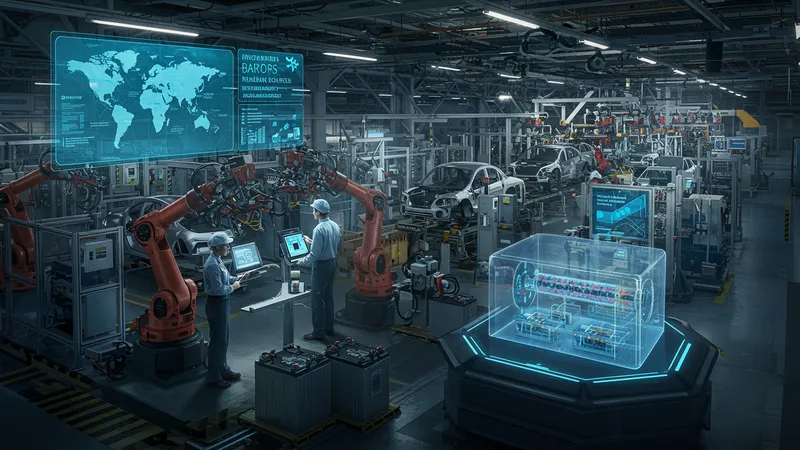
Material sourcing for EV batteries may involve regions with varying regulatory oversight, potentially affecting the environmental and social impacts of extraction. Companies and industry groups have increasingly adopted traceability and certification approaches to manage these impacts more transparently. Additionally, introducing new chemistries, such as solid-state batteries, could further influence the lifecycle impact by reducing reliance on scarce materials and improving recyclability.
Battery end-of-life management is another critical consideration. Recycling initiatives aim to recover valuable materials and reduce landfill waste. However, recycling processes can be energy-intensive, and global infrastructure for EV battery recycling is still growing. Life cycle analyses suggest that integrated recycling strategies may help decrease the cumulative energy and resource demand linked to battery usage, particularly as battery technology standardizes over time.
Industry collaborations with scientific institutes and policy makers are facilitating the development of stewardship standards intended to strengthen the sustainability of battery manufacturing and end-of-life management. These efforts typically involve environmental monitoring, technology innovation grants, and public-private partnerships designed to encourage responsible practices throughout the EV battery value chain. As battery technology evolves, its role in supporting the overall environmental benefits of EVs remains an area of ongoing reassessment and innovation.