
EV Cars: The Role Of Innovation In Electric Vehicle Development

Software and Connectivity in EV Cars: The Role of Innovation in Electric Vehicle Development
Software advancements are redefining the user experience within electric vehicles. Over-the-air updates, as implemented by brands like Tesla, can modify vehicle performance, introduce new features, or improve system security without physical intervention. This connectivity may extend the functional lifespan of vehicles while allowing manufacturers to respond more dynamically to consumer feedback or emerging regulatory requirements.
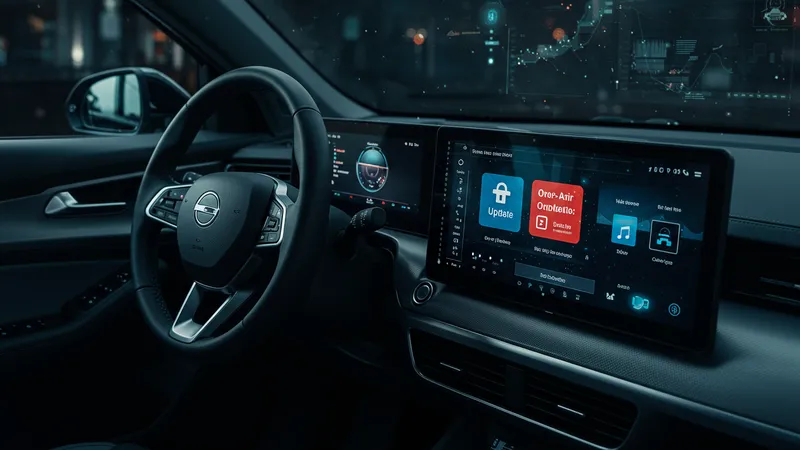
Telematics and real-time monitoring tools provide valuable data for both users and manufacturers. By analyzing driving habits, battery health, and environmental factors, these systems allow for more personalized, adaptive performance. Fleet operators benefit from aggregated data streams, supporting optimized vehicle deployment and predictive maintenance schedules, while consumers gain enhanced route planning and charging recommendations.
Innovative user interfaces often integrate navigation, media functions, and vehicle diagnostics into central dashboards. This human-machine interface can aid in energy management, warn of maintenance issues, or suggest optimal driving patterns based on external conditions. Such convenience features are typical in new electric vehicles, helping users adapt to the unique characteristics of electric propulsion.
Security considerations are becoming increasingly relevant as vehicle systems are networked and updated remotely. Manufacturers routinely develop new encryption protocols and cybersecurity standards designed to protect user data and vehicle integrity. These measures often require coordination with national standards agencies and industry groups to ensure compliance and maintain public trust in digital EV systems.