
EV Cars: The Role Of Innovation In Electric Vehicle Development

Batteries and Charging Technology in EV Cars: The Role of Innovation in Electric Vehicle Development
Batteries are routinely identified as foundational to the advancement of electric vehicle technology. Current innovations often focus on materials such as lithium-ion chemistry, aiming to increase energy density and charging efficiency. Improving battery performance remains critical, as it typically determines a vehicle’s range, cost structure, and long-term reliability. Manufacturers and research organizations globally invest significant resources into new chemistries and solid-state technology, which may lead to reduced charging times and increased lifecycle stability in future models.
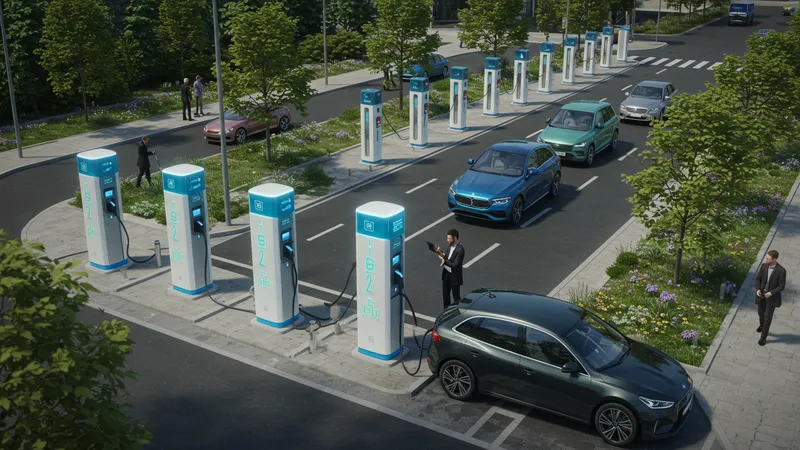
Charging infrastructure plays a supporting but essential role in electric vehicle adoption. Public and private investments are paving the way for faster, more accessible charging networks. Technologies such as rapid DC charging and wireless inductive charging are in various stages of deployment and testing. These innovations may shorten vehicle downtime and support longer-distance travel. However, their effectiveness can depend heavily on local power grid capabilities and policy frameworks.
Battery management software is increasingly integrated into electric vehicle platforms to ensure safe and efficient energy use. These systems monitor cell health, temperature, and charging patterns, using predictive analytics to maximize battery life. Such software-driven innovation often allows for remote diagnostics and performance optimization, potentially reducing maintenance needs and supporting consumer confidence in electric mobility.
Many electric vehicle manufacturers pursue closed-loop battery recycling processes or second-life applications for used cells. This approach may mitigate resource constraints associated with critical minerals while aligning with sustainability objectives. Collaborative programs between automotive companies and material recovery specialists are expanding, contributing to a more circular value chain in the EV sector.