
EV Cars: Exploring Charging Methods And Infrastructure

Cost Considerations for EV Cars: Exploring Charging Methods and Infrastructure
Charging electric vehicles involves a range of direct and indirect costs. Installation of Level 1 charging is often minimal, requiring only a suitable outlet, but Level 2 chargers may involve expenses related to electrical upgrades and equipment purchases. The upfront price for Level 2 units can vary, typically ranging from several hundred to a few thousand U.S. dollars depending on features, brand, and network compatibility. For DC fast charging, installation costs are considerably higher due to specialized equipment and more complex electrical infrastructure requirements.
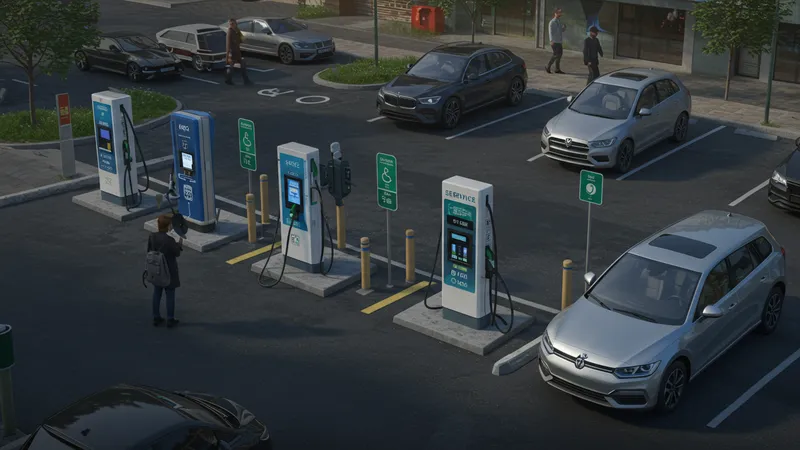
Operational costs include the price of electricity, which fluctuates according to region, utility provider, and time-of-day rates. Public charging stations, especially DC fast chargers, may incorporate service fees that cover equipment maintenance and network operation. These fees can be structured as flat rates, per-minute charges, or per-kilowatt-hour pricing, with the rates generally higher for faster charging services. In some areas, membership plans or access cards provide simplified payment options for frequent users.
Incentive programs and subsidies in various jurisdictions can offset some costs associated with EV charging infrastructure. Governments and utility companies may offer rebates or tax credits for home charging equipment, or provide grants to support network expansion. These programs typically aim to accelerate the adoption of EVs by reducing financial barriers for both individuals and commercial property owners. However, eligibility criteria and benefit amounts may change over time based on policy shifts.
Long-term costs and savings are also influenced by vehicle usage patterns, electricity pricing trends, and evolving technology standards. While EV owners may benefit from lower fueling and maintenance costs compared to conventional vehicles, the economic impact depends on factors such as annual mileage, access to overnight charging, and charging network coverage in relevant areas. Careful assessment of these considerations can support informed decisions about the most suitable charging methods and infrastructure investments.