
EV Cars: Exploring Charging Methods And Infrastructure

Charging Technology Variations in EV Cars: Exploring Charging Methods and Infrastructure
Charging technology for electric vehicles is generally categorized by the amount of power delivered and the resultant charging speed. Level 1 charging typically uses alternating current (AC) from standard residential outlets, offering a gradual approach suited for long-duration parking. Level 2 charging also relies on AC but operates at higher voltage, making it viable for both residential and public installations where faster charging is necessary. DC fast charging, by contrast, provides direct current directly to the vehicle’s battery, bypassing onboard conversion for much greater speed. The compatibility between vehicle battery systems and these charging methods can influence which approach is most effective for daily use or travel.
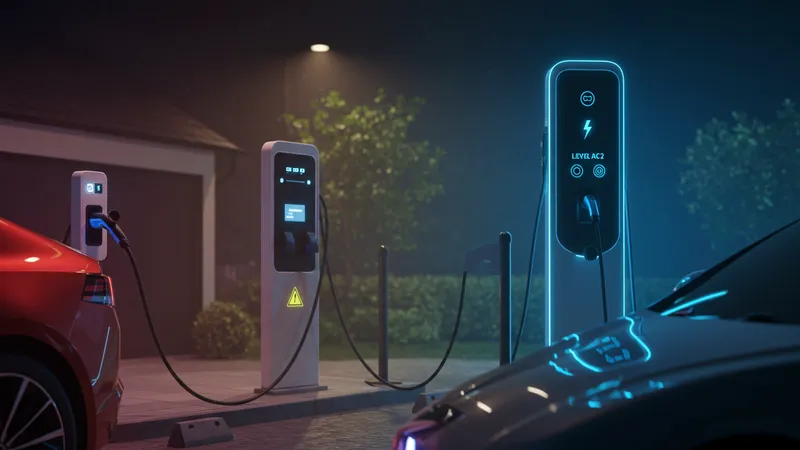
Hardware for EV charging is standardized to varying degrees across regions. For instance, connectors such as Type 1, Type 2, CHAdeMO, and CCS are prominent in different global markets, each supporting specific power ratings and communication protocols. Adapters are sometimes available to bridge between formats, but universal compatibility is still an area of ongoing development. Understanding these distinctions is important for users, as a vehicle’s charging port design will often determine which public or private charging stations can be utilized without additional accessories.
Smart charging technologies are emerging as a key development, enabling scheduling, remote monitoring, and integration with renewable energy sources. Some commercial installations may include networked chargers that balance loads and manage demand to align with peak electricity pricing or grid constraints. These systems can offer benefits such as improved energy efficiency, but their prevalence and functionality may vary by location and provider.
The rate at which an EV can charge is typically limited not only by the external hardware but also by the vehicle’s battery management system. While newer vehicles often support higher charge rates, older models may be constrained to lower power levels even if fast chargers are available. As a result, infrastructure planning often accounts for both the present fleet and forward-looking trends in automotive engineering to ensure broad utility across diverse user bases.